
 EN
EN



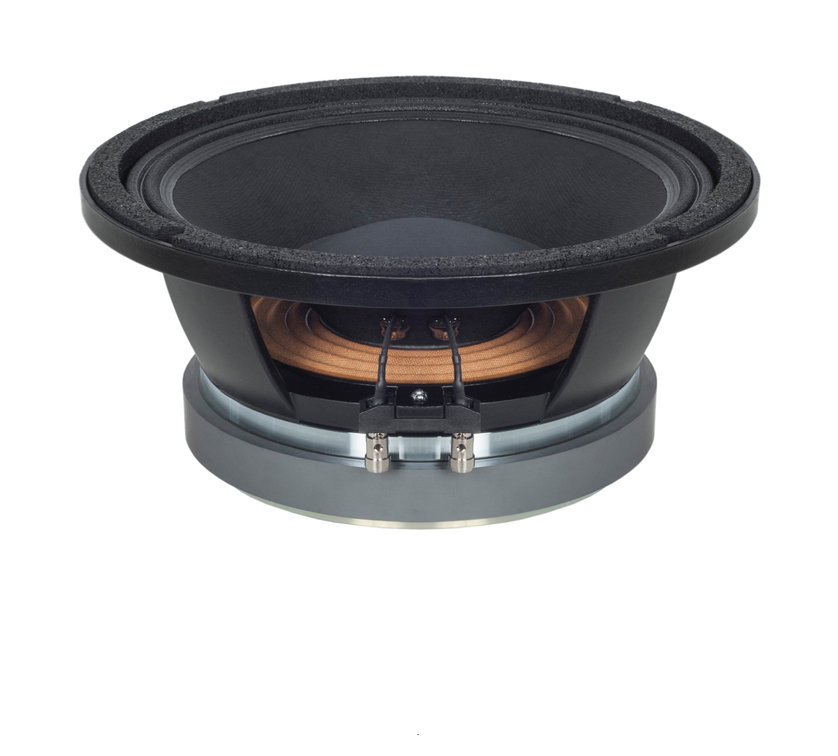
Match Low-Frequency Extension to Your Listening Needs
Distinguishing Mid-Bass, Low Bass, and Ultra-Low Bass for Real-World Use
Getting familiar with different bass frequencies helps match what's coming out of your speakers to actual content. Mid range bass around 40 to 80 Hz handles those punchy kick drum hits and solid bass guitar tones. The lower end between 20 and 40 Hz is where explosions really pack a wallop and synth drops hit hard. Ultra low stuff under 20 Hz gives that physical feeling during movie scenes but needs special equipment to handle properly. Our ears just aren't as sensitive down there below about 30 Hz according to those old audio charts, so getting 20 Hz to sound as loud as 40 Hz takes about four times the power from the amp. Most music doesn't go much below 30 Hz anyway, though cinema surround systems have those dedicated low frequency channels designed specifically to reach all the way down to 20 Hz. What matters most depends on how people actually plan to use their setup day to day.
- Home theater: Target true 20Hz extension
- Music-focused systems: 30Hz is sufficient for fidelity and efficiency
- Compact or nearfield setups: Emphasize mid-bass clarity over subterranean reach
Why Measured In-Room Response Matters More Than -3dB Specs
Those manufacturer spec sheets claiming "-3dB down at 25Hz" are basically just numbers from a lab test and rarely tell the whole story. Real world listening rooms have all sorts of acoustic issues going on inside them. Walls, floors, furniture everything interacts with sound waves creating these annoying peaks and dips in volume levels, sometimes as much as plus or minus 15 decibels. The truth is, what actually reaches your ears has nothing to do with those fancy anechoic chamber measurements manufacturers love to tout. Most home environments naturally boost low frequencies anyway, adding somewhere between 6 and 12 dB below 50 Hz. That means even a small subwoofer can sound way better than its specs suggest if positioned correctly within the space. Getting good bass performance starts with understanding how your particular room behaves acoustically.
- Use the subwoofer crawl method to identify smoothest bass locations
- Avoid corners if results sound boomy or one-note
- Validate placement with measurement tools like Room EQ Wizard and a calibrated microphone
Verify High SPL Output and Clean Power Handling
RMS Power Ratings vs. Amplifier Headroom: Ensuring Reliable Woofer Performance
The RMS or Root Mean Square power tells us about how much heat a speaker can handle continuously, but this number alone doesn't tell the whole story. When someone pairs a woofer with an amp that matches exactly what's written on the box for RMS, they're setting themselves up for trouble. The sound gets clipped when there are sudden loud parts in music, which creates distortion and might actually harm those delicate voice coil parts inside the speaker. What works better? Go for amps that have around 1.5 to 2 times the RMS rating listed on the woofer specs. This extra capacity helps maintain the quality of sudden sounds at higher volume levels without breaking anything. Take a 300 watt RMS woofer as an example. It really shines when connected to something like a 450 to 600 watt amplifier instead. This setup keeps everything sounding clear and tight even through those intense musical sections where things get really loud and complicated.
THD and IMD Thresholds: Identifying Clean, Distortion-Free Bass at Volume
Total Harmonic Distortion (THD) and Intermodulation Distortion (IMD) are critical indicators of bass fidelity under load. THD reflects harmonic inaccuracies added to the fundamental tone; IMD reveals artifacts generated when multiple frequencies interact. For clean, articulate bass:
- THD should remain below 1% at reference listening levels
- IMD should stay under 0.5% across the operating range
Exceeding these thresholds produces “boomy,” indistinct, or fatiguing output. High BL motor force, rigid yet lightweight cones, and thermally stable voice coils help maintain these standards by resisting mechanical compression and thermal sag. Always test at 90% of maximum volume—audible distortion at this level signals inadequate power handling or design compromise.
Optimize Transient Response for Tight, Controlled Bass
Cone Material, Motor Force (BL), and Suspension Design Impact on Woofer Agility
Getting good bass reproduction means the speaker has to react right away when signals change direction. The cones need to be light stuff like polypropylene, carbon fiber blends or similar materials because heavier paper cones just can't keep up with quick movements. Less weight means less inertia so the cone can speed up and slow down much faster. Then there's this thing called motor force or BL factor which basically measures how strong the magnet is combined with voice coil length. When BL goes above around 15 Tesla meters, the cone moves pretty much instantly without any lag time. Suspension systems also play their part here acting kind of like shock absorbers for speakers. These suspensions include things like progressive roll surrounds and those special spider components that soak up leftover vibrations so we don't get unwanted echoes or ringing sounds after notes end. All these parts working together let speakers handle sharp attacks from instruments like double bass strings being plucked, snare drum hits, or those fast electronic synth lines without losing definition or making everything sound muddy.
Achieve Seamless System Integration with Main Speakers
Crossover Alignment and Frequency Overlap for Natural Woofer Blending
Getting good integration really depends on how frequencies switch between components, not just making sure everything lines up technically speaking. Find where your main speakers start losing their low end response, usually somewhere around 60 to 100 Hz, and then give yourself about a 10 to 15 Hz buffer area for overlap. This little buffer helps avoid those annoying phase issues that create dead spots in the sound and makes sure everything blends together properly over time. Take an example: if your main speakers drop off at about 80 Hz, aim to set your subwoofer's crossover point around 90 Hz instead. Don't rely solely on what sounds right to your ears though. Grab some swept sine tones and actual measurement mics to check both volume levels and phase relationships across the spectrum. When things aren't aligned correctly, strange things happen with where the bass seems to come from. It might feel disconnected from what's happening on screen during movies or appear completely separate from instruments in music tracks, which ruins the whole immersive experience.
Room Placement Strategies: Subwoofer Crawl and Boundary Coupling for Flat Response
Room modes dominate low-frequency behavior—making placement more impactful than raw output specs. The subwoofer crawl method remains the most effective empirical approach:
- Temporarily place the subwoofer at your primary listening position
- Play consistent bass-heavy content (e.g., 30–80Hz sweep or movie LFE track)
- Crawl along walls and room boundaries, noting where bass sounds fullest and tightest
- Relocate the subwoofer to those optimal spots
When it comes to boundary coupling, we're talking about a boost in output efficiency somewhere around 3 to 6 dB. But there's some nuance here too. Putting speakers in corners definitely gives more output power, though this can sometimes make those annoying room modes even worse. A good rule of thumb is to keep at least 8 to 12 inches between the equipment and any walls if we want to maintain decent audio definition. Now for folks running two subwoofers, placing them opposite each other along the middle of the walls tends to create a much flatter frequency response throughout the room compared to putting both in symmetrical corners. This works because the setup actually breaks up those dominant standing waves instead of making them stronger, which is what happens when subs are placed in corners together.
FAQ
What frequency range should I target for my home theater setup?
For a home theater setup, it is ideal to target a true 20Hz extension for an immersive experience.
Why do manufacturer spec sheets not reflect the real listening experience?
Manufacturer spec sheets are often based on lab tests and do not account for the acoustic variables in real-world listening environments like walls and furniture, which can cause peaks and dips in sound.
How does room placement affect subwoofer performance?
Room placement impacts subwoofer performance significantly. Techniques like the subwoofer crawl method can help identify optimal placement to achieve smooth and tight bass response without creating boomy or distorted sound.