
 EN
EN



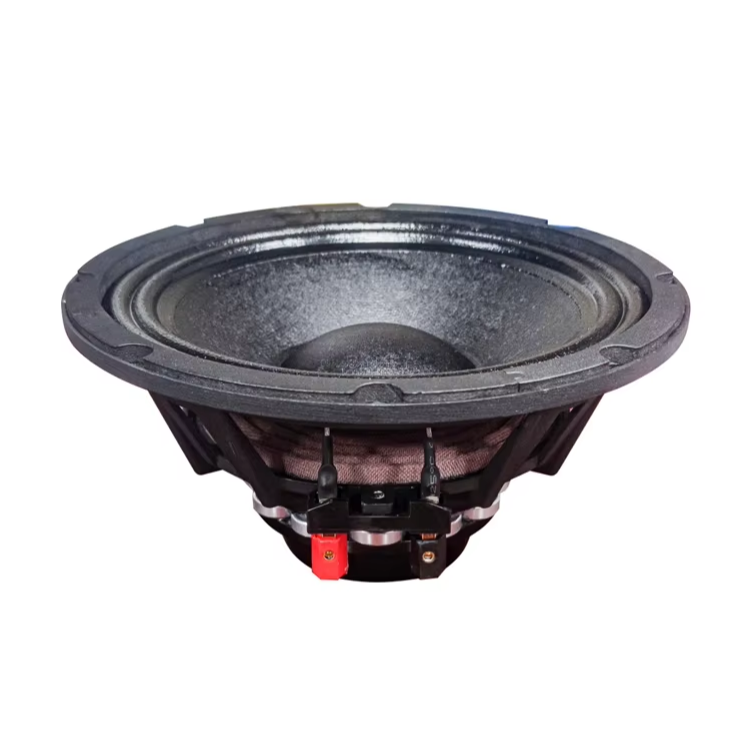
تأثیر اندازهٔ بلندگوی ووفر بر عملکرد باس و فشاردهی هوا در اتاق
اندازهٔ درایور (۸، ۱۰، ۱۲ و ۱۵ اینچی) و تأثیر مستقیم آن بر خروجی فرکانس پایین و جابهجایی هوای بلندگو
ووفرهای بزرگتر با هر حرکت پیشرو و عقب، هوای بیشتری را جابهجا میکنند که این امر سطح فشار صوت (SPL) در محدوده فرکانسهای پایین را بهطور قابلتوجهی افزایش میدهد. وقتی فاصله حرکتی مشابهی را در نظر بگیریم، یک درایور ۱۲ اینچی در مقایسه با یک درایور ۸ اینچی حدود ۵ درصد هوای بیشتری را هل میدهد. این تفاوت در میزان فشار تولیدشده در اتاقهای معمولی تأثیر قابلملاحظهای دارد. برخی از مطالعات انجمن مهندسی صوت (AES) نشان میدهد که اگر سایر شرایط یکسان باشند، یک ووفر ۱۵ اینچی با کیفیت خوب ممکن است در اوج عملکردش حدود ۳۷ درصد بلندتر از یک مدل ۱۰ اینچی عمل کند. با این حال، اندازه بهتنهایی کل داستان را روایت نمیکند. گاهی اوقات درایورهای فشرده ۱۰ اینچی که دارای قابلیت حرکت اضافی (travel) هستند، از مدلهای ۱۵ اینچی بزرگتر اما با ساخت ضعیفتر، از نظر حداکثر حرکت خطی (Xmax) پیشی میگیرند. آنچه بههمان اندازه مهم است، دستیابی به تعادل مناسب بین اندازه بلندگو و حجم جعبه (enclosure) است. جعبهای که بسیار کوچک باشد، انواع مشکلات اعوجاج پیچیدهای ایجاد میکند، درحالیکه جعبههای بسیار بزرگ تمایل دارند باعث لغو (cancel) صدای بیس شوند، زیرا امواج صوتی از هم خارج از فاز میشوند.
سوءتفاهم: چرا اندازهٔ بزرگتر دیافراگم بلندگو به تنهایی تضمینکنندهٔ گسترهٔ پایینتر صدای باس نیست
دستیابی به باس خوب در فرکانسهای پایینتر از ۳۰ هرتز واقعاً به نحوهی هماهنگی کل سیستم بستگی دارد، نه صرفاً به داشتن یک درایور بزرگ. وقتی مهندسان این موضوع را بهدقت بررسی میکنند، متوجه میشوند که تنظیم جعبهی بلندگو حدود ۴۲ درصد از عامل تعیینکنندهی نقطهی قطع انتهای پایین طیف صوتی را تشکیل میدهد. سپس عامل تضعیف (Damping Factor) آمپلیفایر که کنترلکنندهی انفجارهای سریع صوت است، و همچنین میزان انعطافپذیری حلقهی اطراف درایور که بر اعوجاج ناشی از حرکت کامل غشای درایور تأثیر میگذارد، نقش دارند. مطالعهای اخیر در زمینهی ترانسدیوسرها که در سال ۲۰۲۳ انجام شد، نشان داد که در مورد باس عمیق، همیشه بزرگتر بودن به معنای بهتر بودن نیست. در این مطالعه تفاوت چندانی بین درایورهای ووفر ۱۵ اینچی و درایورهای ووفر ۱۲ اینچی با تنظیم دقیق از نظر امتداد فرکانسهای پایین مشاهده نشد. در حقیقت، درایورهای بزرگ میتوانند در اتاقهایی که بهدرستی عایقبندی یا پردازششده نشدهاند، مشکلاتی ایجاد کنند؛ زیرا امواج ایستا (Standing Waves) ایجاد میکنند که برخی فرکانسها را تا ۱۵ تا ۲۰ دسیبل تقویت میکنند. به همین دلیل، در تستهای استاندارد اغلب اوقات باسی با کیفیت بهتر با استفاده از دو سابووفر ۱۰ اینچی بهجای یک سابووفر ۱۵ اینچی بزرگ حاصل میشود. کافی است آنها را دقیقاً در مکانهایی قرار دهید که بتوانند بهخوبی با مدهای اتاق (Room Modes) کنار بیایند.
تطابق اندازه بلندگوی ووفر با آکوستیک اتاق و حجم آن
اندازه اتاق، تشدیدهای مودال و نحوه تعیین قطر بهینه بلندگوی ووفر
اندازهٔ یک اتاق نقش اصلی در رفتار صدای باس ایفا میکند، زیرا پدیدهای به نام «تشابههای صوتی مودال» (acoustic modal resonances) وجود دارد که در واقع امواج ایستا هستند و در فرکانسهای خاصی مناطقی با فشار نامتعادل ایجاد میکنند. هنگامی که با اتاقهای کوچکتر از ۱۵۰۰ فوت مربع سروکار داریم، این مشکلات به سرعت تشدید میشوند. بلندگوهای بزرگ ممکن است باعث تجمع بیش از حد باس و کاهش کیفیت صدا شوند. از سوی دیگر، فضاهای بزرگتر از ۳۰۰۰ فوت مربع برای پر کردن مناسب خود با فرکانسهای پایین به جابهجایی بیشتر هوای محیط نیاز دارند؛ بنابراین درایورهای کوچک از نظر صوتی قادر به انجام این کار نخواهند بود. مطالعهای اخیر که توسط انجمن آکوستیک آمریکا منتشر شده است نشان میدهد اتاقهایی با شکل مکعبی یا نزدیک به مکعب، مشکلات فرکانس پایین را حدود ۵۸ درصد بدتر از سایر اشکال ایجاد میکنند. این بدان معناست که تطبیق اندازهٔ بلندگو با ابعاد اتاق اهمیت بسیار بیشتری نسبت به صرفاً توجه به حجم کلی فضا دارد، زمانی که قصد داریم پاسخ مناسبی از باس به دست آوریم.
راهنمای عملی برای انتخاب اندازه: اندازهٔ توصیهشدهٔ درایور باس بر اساس حجم اتاق
اندازهٔ درایور را با حجم اتاق تطبیق دهید تا گسترش متوازن بас بدون اعوجاج یا اضافهبار مودال بهدست آید:
| حجم اتاق (فوت مکعب) | اندازهٔ توصیهشدهٔ ووفر | مزیت کلیدی عملکرد |
|---|---|---|
| <1,500 | ۱۰ اینچ یا کوچکتر | کاهش چرخشپذیری و صدای زنگدار ناشی از رزونانس |
| 1,500–3,000 | 12" | خروجی و فضای سری متوازن |
| >3,000 | 15"+ | فشاردهی کافی و سطح فشار صوتی (SPL) |
برای کاربردهای پرتوان—مانند سینماهای خانگی اختصاصی یا فضاهای بزرگ بازپلان—۲ اینچ به این مقادیر پایه اضافه کنید. این توصیهها بر اساس دادههای تجربی جمعآوریشده از ۸۷٪ از شرایط رایج آکوستیک اتاقهای مسکونی (انجمن مهندسی صوتی، ۲۰۲۲) است، هرچند عملکرد نهایی به طراحی جعبه، هماهنگی با آمپلیفایر و استراتژی قرارگیری وابسته است.
نیازمندیهای اندازهٔ بلندگوی ووفر بر اساس نوع محتوا: سینمای خانگی در مقابل گوشدادن حرفهای به موسیقی
اندازهٔ مناسب ووفر برای مقایسهٔ سیستمهای تئاتر خانگی با تنظیمات جدی موسیقی، تفاوت اساسی ایجاد میکند. فیلمها به آن فرکانسهای پایین عمیق و ضربهزنندهٔ زیر ۳۰ هرتز نیاز دارند تا انفجارها، لرزشهایی شبیه زلزله و لحظات ارکسترال بزرگ را بهخوبی منتقل کنند. بههمین دلیل، بلندگوهای بزرگتر (حدود ۱۲ اینچ یا حتی ۱۵ اینچ) در اینجا عملکرد بسیار بهتری دارند؛ زیرا میتوانند فضای اتاق را بهخوبی با صدا پر کنند و تغییرات ناگهانی در شدت صدا را بدون هیچگونه تنشی تحمل کنند. اما علاقهمندان به موسیقی به چیزی متفاوت توجه میکنند: آنها به زمان پاسخدهی سریع، نتهای باسِ واضح در محدودهٔ میانی و تضعیف دقیق صدا اهمیت میدهند، نه صرفاً رسیدن به فرکانسهای بسیار پایین. در این زمینه، وفرهای کوچکتر با اندازهٔ بین ۸ تا ۱۰ اینچ در عملکرد بهتری برخوردارند، چرا که پاسخدهی سریعتری دارند و کنترلپذیری بالاتری از خود نشان میدهند. این امر اهمیت دارد، زیرا صوتگذاری فیلمها طوری طراحی شده است که تأثیر قویای بر بیننده بگذارد و حس فیزیکی ایجاد کند، درحالیکه ضبطهای آکوستیک واقعی در محدودهٔ ۶۰ تا ۱۲۰ هرتز درخشانترند — محدودهای که بسیاری از وفرهای بزرگ تمایل دارند جزئیات را از دست داده و بهجای آن، حجم صدای بیشتری تولید کنند.
تداوم عملکردی اندازههای رایج بلندگوهای ووفر در تنظیمات سینمای خانگی واقعی
تحلیل تطبیقی: بلندگوهای ووفر ۱۰ اینچی، ۱۲ اینچی و ۱۵ اینچی از نظر عمق، حاشیه پویایی (Dynamic Headroom) و پاسخ گذرا (Transient Response)
انتخاب اندازهٔ مناسب ووفر به معنای یافتن تعادل بین چندین عامل مرتبط با یکدیگر است. مدلهای ۱۵ اینچی بزرگ در تولید باس عمیق بسیار عالی عمل میکنند و نسبت به مدلهای کوچکتر میتوانند حجم صداهای بلندتری را تحمل کنند و تا فرکانسهای پایینتر از ۲۵ هرتز نیز با قدرت واقعی رسیدگی کنند. این مدلها معمولاً حدود ۳ تا ۶ دسیبل خروجی پاکتر را قبل از ورود به ناحیهٔ اعوجاج فراهم میآورند. اما نکتهٔ مهمی وجود دارد: این غشای سنگینوزن پاسخدهی سریعی ندارد؛ بنابراین هنگامی که موسیقی پیچیدهتر میشود و لایههای متعددی دارد، زمانبندی صدا به اندازهٔ کافی دقیق نخواهد بود. وفرهای ۱۰ اینچی بخشی از ضربهٔ باس عمیق و ظرفیت حجمی ماکسیمم را از دست میدهند، اما در عوض سرعت و کنترل فوقالعادهای کسب میکنند. این وفرها برای تولید خطوط باس شفاف در موسیقی یا صحنههای اکشن فیلمها — جایی که زمانبندی دقیق از قدرت خام مهمتر است — بسیار مؤثرند. وفر ۱۲ اینچی در جایی میانی قرار دارد. این وفر در اتاقهایی با مساحت کمتر از ۳۰۰۰ فوت مربع تقریباً به باس عمیق وفر ۱۵ اینچی نزدیک میشود، در عین حال حدود ۹۰ درصد از زمان پاسخدهی سریع وفر ۱۰ اینچی را نیز حفظ میکند. علاقهمندان به سیستمهای سینمای خانگی احتمالاً برای تجربههای سینمایی کامل، به یک سابووفر تک ۱۵ اینچی نیاز خواهند داشت. با این حال، اگر کسی به دنبال راهحلی باشد که در موقعیتهای مختلفی به خوبی عمل کند و هم دقت و هم قدرت را تأمین نماید، انتخاب دو سابووفر ۱۰ اینچی معمولاً تجربهٔ کلی بهتری را فراهم میکند که کنترل آن نیز آسانتر است.
پرسشهای متداول
کوچکترین سایز ووفر برای اتاقهای کوچک کدام است؟
برای اتاقهایی با حجم کمتر از ۱۵۰۰ فوت مکعب، استفاده از ووفر ۱۰ اینچی یا کوچکتر توصیه میشود تا از اثر رesonansِ بیشازحد و صدای باس نامتعادل جلوگیری شود.
آیا ووفرهای بزرگتر همیشه باس بهتری تولید میکنند؟
خیر، ووفرهای بزرگتر لزوماً به معنای باس بهتر نیستند. کیفیت باس به عوامل متعددی از جمله تنظیم جعبه بلندگو، آکوستیک اتاق و نحوه قرارگیری بلندگوها بستگی دارد.
بهترین سایز ووفر برای سیستمهای تئاتر خانگی کدام است؟
وبفرهای بزرگتر، مانند ووفرهای ۱۲ یا ۱۵ اینچی، عموماً برای سیستمهای تئاتر خانگی مناسبتر هستند تا بتوانند فرکانسهای پایین عمیق فیلمها را پوشش دهند؛ با این حال، لحاظ کردن اندازه اتاق و ویژگیهای آکوستیک آن ضروری است.
چرا دو ووفر کوچکتر ممکن است عملکرد بهتری نسبت به یک ووفر بزرگتر داشته باشند؟
دو ووفر کوچکتر میتوانند پاسخ باس دقیقتر و کنترلشدهتری ارائه دهند، زیرا بهطور مؤثرتری مدهای اتاق را مدیریت کرده و امواج ایستا را کاهش میدهند.
فهرست مطالب
- تأثیر اندازهٔ بلندگوی ووفر بر عملکرد باس و فشاردهی هوا در اتاق
- تطابق اندازه بلندگوی ووفر با آکوستیک اتاق و حجم آن
- نیازمندیهای اندازهٔ بلندگوی ووفر بر اساس نوع محتوا: سینمای خانگی در مقابل گوشدادن حرفهای به موسیقی
- تداوم عملکردی اندازههای رایج بلندگوهای ووفر در تنظیمات سینمای خانگی واقعی
- پرسشهای متداول