
 EN
EN



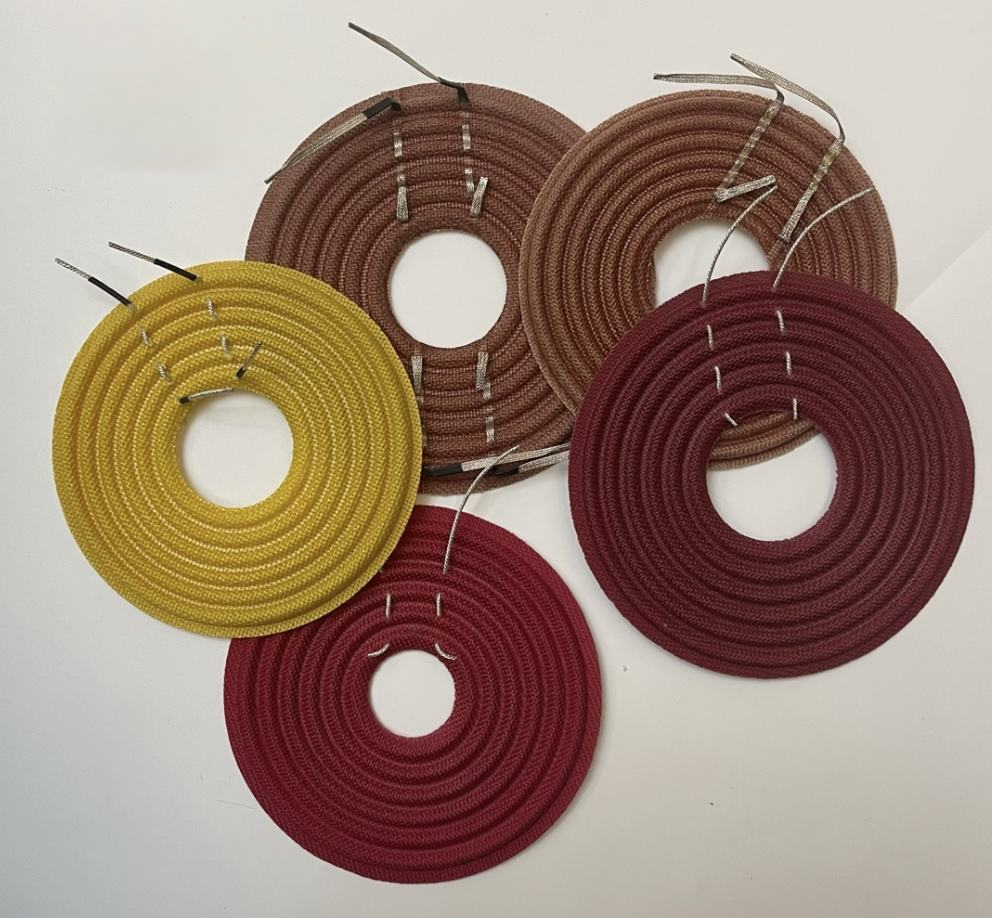
Cad a Dhéanann an Damprar: An Fúnction Príomhach agus a Thionchar ar Cháilíocht na Fuaimí
Conas a rialaíonn an damprar gluaiseacht an choinnigh agus conas a chosnaíonn sé distortiún réisins
Tugann an damálaí, a dtugtar air go minic an spidéar, an coil gutha i leathair ar chaisleán y n-éisteachta. Tá sé ag obair mar shpring radiaclach réadúil a choinníonn an conas ag bogadh ar líne díreach ag cearnóg laistigh den bhfithis mhaignteach. Cabhraíonn an smacht meicniúil seo le himscnaimh neamhliniúla a sheachaint — is iad na himscnaimh sin a chluinimid nuair a thagann an conas ag scuabadh suas agus síos nó nuair a theas an coil gutha as a ionad mar gheall ar bheith tar éis a bheith brúite ró-mhór thar an méid a dhearna an t-ainmniú. Nuair a lárionann an damálaí an coil go cruinn go dtí an micreon, cuireann sé cosc ar an gcoil ag scuabadh in aghaidh cuid de na struchtúir maignteacha, agus rialaíonn sé freisin na himscnaimh casta a thagann chun cinn faoi thart ar 500 Hz. Maidir leis an ráta ar a ndéanann na drithliúcháin seo éagóir, tá sé ag brath ar rud a dtugtar an comhéifeacht damálaí uirthi. Tá sé seo faoi thionchar fachtóirí amhail an méid a bhfuil an t-ábhar cruaite, an bhfuil polamairí curtha leis le linn an mhonaraithe, agus an méid a bhfuil na hábhair féin crua. Mar shampla, úsáideann woofers ar leibhéal gairmiúil comhphoistí damálaíochta cotóna cruaite a d’fhéadfadh an fuaim a dhíobháil go dtí 30% níos tapúla i gcomparáid le woofers gnáth gan an tréith seo. Tá an toradh ná go bhfuil fadhbanna imscnaimhe níos lú go mór, agus uaireanta is féidir iad a laghdú faoi thart ar 12 decibel de réir taighde a foilsíodh sa ‘Journal of the Audio Engineering Society’.
Iarmhairtí theip ar an gcothromóir: Eachtraí i bhfreagracht an duine agus sméaradh gearrthréimhseach
Nuair a thosaíonn an damáin ag úsáid, is mór an tionchar a bhíonn acu ar cháilíocht an fhuaime. Taispeánann damán nach bhfuil ag obair go maith níos mó bogadh nuair a mheastar é i milliméitreacha in aghaidh Newton, rud a chiallaíonn gur imíonn an coinín labhartha ró-fhad thar an áit a bheadh sé mar a bheadh le bheith ag minicthach áirithe. Cruthaíonn sé seo spíceanna suntasacha sa bhais timpeall 40–80 Hz, agus cuireann sé isteach freisin titim i roinnt raon os cionn 100 Hz, ag tabhairt an éifeacht neamhchothrom, bómáilte a bhíonn againn go maith. D’fhéadfadh an bealach a ndéanann na fuaimí caochlú a bheith níos measa freisin, agus b’fhéidir go dtógfaidh sé dhá uair nó fiú trí huaire faoi bhláth ná mar a dhéanann sé de ghnáth, mar sin d’athraíonn na buaiteanna tosaigh cliste go rumalaithe doiléirsí in áit na n-éilíochtaí crua. Tá fadhb eile ann darb ainm sliabhú cothlach na gutha go dtí an taobh, a chuireann 8–10% breise ar an díorthú, agus a chruthaíonn an bhuinneog bhréagach sin le linn altanna bais casta. I gcomhábhar na fadhbanna seo go léir, scriosann siad an t-ionannas glan minicthach agus an freagra tapa atá de dhíth ar mhonatóireacht chrua i socruithe gairmiúla.
Ag aithint Torthaí Damáin: Comharthaí Clisite agus Amhairc
Comharthaí cluaiseacha dearga a chluinnte: Tumadh, súdú, díomá as chothrománachta an bhais, agus caillteanais na tiachtachta sa bhais
Tá na comharthaí cluaiseacha tábhachtacha i measc na leanas:
- Tumadh le linn imreagóid freastalaí íseal—comhartha ar athbhuailt neamhrialta an choinnigh tar éis chríochnaithe an shínithe;
- Fuaimneacha súdaithe nó scriosaithe , a léiríonn teagmháil an choirn ghutha le tacar an mhaigneata mar gheall ar easpa cothrománachta i dtreo taobhach;
- Díomá an bhais gan chothrománacht nó fada rófhadtach , áit a mbíonn na nótaí ag fás go neamhrialta nó ag cailleadh a gcineálacht, go háirithe faoi 200 Hz;
- Caillteanas tiachtachta an bhais , a léiríonn freagra neamhrialta agus gan smacht ar an mbais íseal fiú ag tolaíocht mhionchúiseach—a chomhartha is mó ar easpa smachta meicniúil.
Liosta seiceála amhairc: Cracáin, briseadh, laghdú méid nó scaradh glúine i ndampáirí fóma/ruabair
Degrádaítear dampáirí fóma agus ruabair go réasúnta:
- Neartacht Mhionsonraithe : Cuardaigh cracáin ar an uachtar, briseadh ar na haghaidheanna nó giorrú a thagann le haerachas—go háirithe ag na nascanna leis an gcón nó leis an mbáscaid. Tugann eispózú UV bua ar an mbriseadh seo.
- Stabilitéacht na dtomhais : Tomhais do laghdú méid a bhíos os cionn 5% den mhéid bhunaidh. Is comhartha lárnach é 'compression set'—ní thagann an t-áisghabháil tar éis bogshláintiú—ar dhaoineacht pholamair.
- Míshuiteáil : Scrúdú na pointí suiteála chun scaradh glúine nó dhlíothú a aimsiú, a thagann go minic ar an rím amuigh áit a bhfuil an t-isteach meicniúil is mó.
Bíonn sé mar ghnáth 12–20 bliain ag damhpáirí fóma sula ndéanann ocsaídiú drochmhaith ar an struchtúr cheallach; bíonn leaganacha ruabair níos faide ann ach déanann siad a ghiomnú faoi eispózú ozóin. Róidh an cóin go bog: aon easpa gluaisne, aon ghiomnú, nó aon gluaiseacht as lár a fhágann go bhfuil an damhpáir míshásaithe agus go bhfuil ionann é agus an gá le haltram.
Cathain a Athshuiteáil an Damhpáir: An t-am, an timpeallacht agus na factóirí úsáide
Faoi bhrath an tsaoil: Cén fáth a díobhálann an chuid is mó de na hamraí foam idir 12–20 bliain—fiú nuair a stóráiltear iad
Tendann amraí foam le haois a fháil ó thaobh ceimiceach de thar ama mar gheall ar an mbuailtín a thagann isteach sa chainní polamair fiú nuair a stóráiltear i dtimpeallacht rialaithe go coireas. Ceadaíonn nádúr porógach an mhaiteirial don aer gnáth teitheadh tríd, agus mar sin, ag briseadh go mall ar na nascanna móilíneacha le himeacht na bhfómhar. Nuair a tharlaíonn sé seo, tosaíonn na propréachtai eilastacha ag éagú, agus mar sin ní féidir leis an amra a oibriú mar a chóir—seachas an chóna a choinneáil ina áit. Tá an léiriú a laghdaíonn go soiléir fada roimh ré a mbeadh aon mhíniú fisiciúil a fheictear air. Mar gheall ar an bpróiseas díobhála nádúrtha seo, aimsíonn go leor teicniciúnaí féin iad ag athsholáthar na comhpháirtí seo de réir aoise iad ar an bpapúr, seachas fanacht go dtiocfaidh siad i gcumraí úsáide.
Gabhálaithe timpeallachta: Conas a dhíobhálann uisce, solas UV agus ozón polamairí na n-amraí
Tria scéal timpeallachta a luasann an díobháil go mór:
- Taiseachas tugann sé faoi chúram éadrom agus hidrilíocht sa fhoam, ag mórú go dtí gur mhealltar an t-íochtar cealla;
- Gloine UV cúisíonn sé fotheachtaireacht, ag déanamh na rúibéir crua agus ag briseadh an fhoaim;
- Ozóin oibríonn sé le nascanna neamhshábháilte i bpóliméirí na rúibéir, ag tosú ar bhraonadh na haice; go háirithe i dtreo oiriúnachta le hairm leictreachais nó i mbunaitheanna nach bhfuil aeráil maith acu.
D’fhéadfadh aonaid a shuiteáil i dtreo fuinneoige, i réimsí cois farraige, nó i dtithe talamh fliuch a theip ar 6–10 bliana. Chun longaíocht a bhaint as, seachain solas díreach, ionaid árd-fhuartha, agus timpeallachtaí lán ózóin.
Athshuiteáil an Dhamprála vs. Athshuiteáil an Lorgaire: Cinneadh Eacnamaíochta B2B Cleathach a dhéanamh
Baineann an rogha idir athshuiteáil an damprála agus athshuiteáil iomlán an lorgaire ar anailís costas-buntáiste oibiachtúil—ní ar scéalta. Taispeánann sonraí deireanacha an tionsaí go mbíonn meánchostas an tseirbhíse damprála idir 15–30% den luach nua an lorgaire, rud a chiallaíonn go bhfuil an t-athshuiteáil spriocshonaíochta an rogha eacnamaíochta is fearr do chórais atá i úsáid ghníomhach agus rialaithe. Trí chritéir a threorú an cinneadh:
- Teorainn na gcostas nuair a thagann costas na gcomhpháirtí, an tsaothar agus an turgnamh i bhfad os cionn 50% den chostas an tspeakeara nua, tá an t-athsholáthar iomlán níos feasa;
- Aois agus úsáid is iad speakearai faoi bhliana cúig le himeacht fhoilseofa ar líne de uaireanna úsáide íseal na dtarraingthe is fearr le haghaidh répair an dampra; is minic a léiríonn aonaid os cionn ocht mbliana maidir le himeacht chuimsitheach ar chomhpháirtí éagsúla, ag méadú riosca an mhoillte seo a bheith ag teacht ar chomhpháirtí eile;
- Raon an mhoillte tacaíonn an dampradh aonair le répair; ach nuair a bhíonn fadhbanna comhaimseartha ann—mar shampla, damáiste don coil gutha, tuirse sa bharrthimpeall nó scaradh an choirp—cuirtear in iúl go bhfuil maidir le himeacht chórasach agus go bhfuil an t-athsholáthar iomlán de dhíth.
Ag fócasú ar athchóiriú sonraíteacha na ndamparí ina ionad an iomlán a athsholáthar, laghdaíonn sé an turgnamh i mbunaithe ar thorthaí idir 40 agus fiú 60 faoin gcéad. Sin a chiallaíonn go mbíonn gnóithe ag rith go slán gan na turgnaimh costasaí sin. Nuair a bhíonn tú ag breathnú ar stair an oiriúnaithe, ná déan dearmad ar an gcineál timpeallachta a raibh sé ann freisin. Smaoinigh ar áiteanna ina bhfuil go leor fuarais nó eispózú iomlán na gréine — tá tionchar mór ag na factóirí seo ar na comphoirt le himeacht ama. Ba chóir pleanáil maoiniú maith a bheith ag úsáid gach rud seo ón tosaigh. Tugann cur i bhfeidhm cur chuige so-ordaithe seo torthaí sa todhchaí, mar gheall ar an mbuntáiste airgeadais (mar nach dtugtar airgead ar athsholáthair nach bhfuil siad riachtanach) agus mar gheall ar an n-árdú i bhfheidhmeacht na gcomhráite, a bhfuil sé tábhachtach go mór le sáshualacht an chustaiméara).
Ceisteanna a chuirtear go minic (FAQ)
Cad is príomhfheidhm damphaire i lárspéakair?
Is é an príomhghníomh damphara, nó spidéir, ná an coil ghutha a choinneáil i dtaca agus a chinntiú go n-imeoidh an cón go ceart laistigh den bhfiosraí máganach chun distortiú neamhliniúil agus fadhbanna comhráite a sheachaint.
Cad iad roinnt comharthaí gur ag briseadh an damphar?
I measc na gcomharthaí cloisteacha tá thumpáil, rógaireacht, deachú báis asiméadrach sa bhais agus caillteanais sa thiomantas sa freagra íseal. Ar an suíomh amháin, tá comharthaí mar chreachanna, laghdú méid agus scaradh glúine i ndampairí fuaimithe nó rúibear.
Cathain ba cheart damphair a athsholáthar?
De ghnáth, is gá damphair a athsholáthar laistigh de 12-20 bliain, ag brath ar fhachtóirí timpeallachta cosúil le huiscíocht, ionradh solais UV agus láithreacht óisín, a d’fhéadfadh an deacracht a mhéadú.
An ba cheart do ghnóthaí damphar nó an cainteoir iomlán a athsholáthar?
Ba cheart cinntí maidir le hathsholáthar a dhéanamh bunaithe ar anailís costas-buntáis, ag tabhairt faoi deara fachtóirí cosúil le costas, aois, úsáid, raon an mhoillte agus an laghdú is féidir a bhaint as am tógála oibre.
Clár Ábhair
- Cad a Dhéanann an Damprar: An Fúnction Príomhach agus a Thionchar ar Cháilíocht na Fuaimí
- Ag aithint Torthaí Damáin: Comharthaí Clisite agus Amhairc
- Cathain a Athshuiteáil an Damhpáir: An t-am, an timpeallacht agus na factóirí úsáide
- Athshuiteáil an Dhamprála vs. Athshuiteáil an Lorgaire: Cinneadh Eacnamaíochta B2B Cleathach a dhéanamh
- Ceisteanna a chuirtear go minic (FAQ)