
 EN
EN



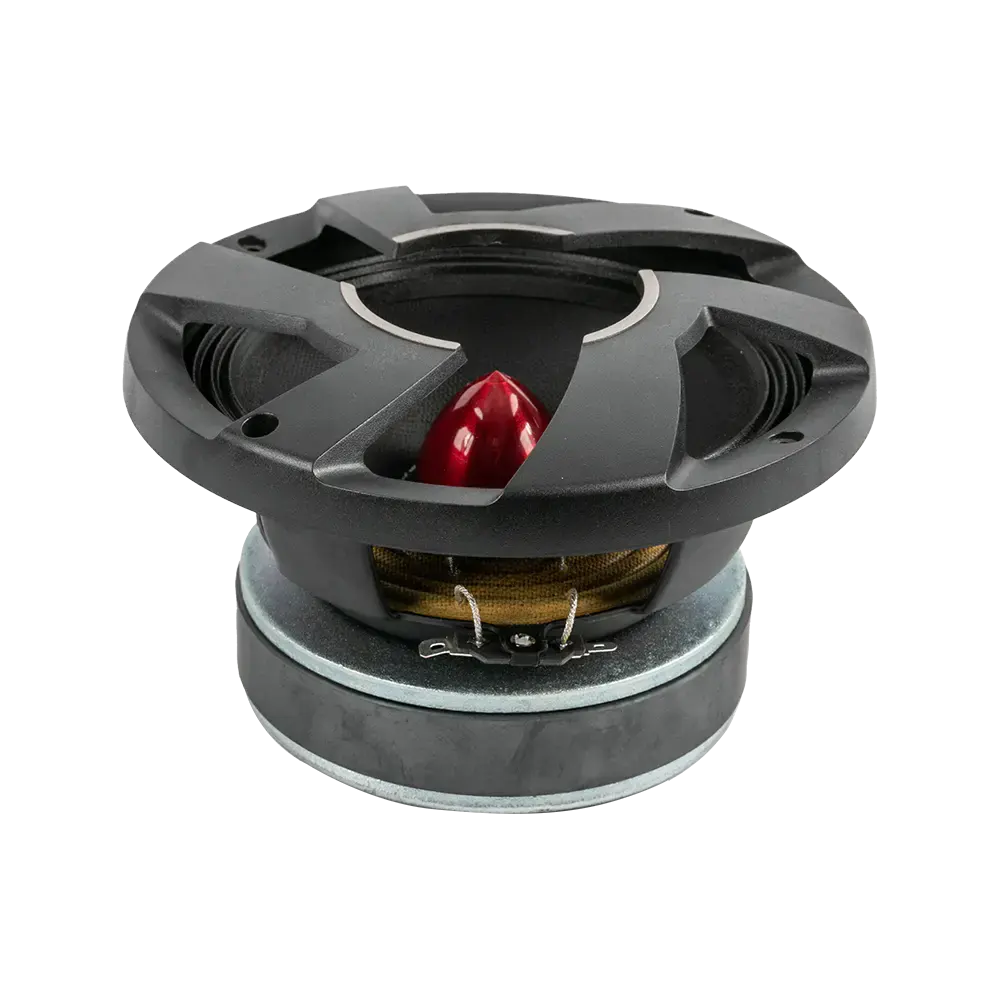
Wat is een midranger-luidspreker? Kernrol bij audiogetrouwheid
Technische definitie en functie bij frequentieverdeling
Middentonenluidsprekers zijn specifiek ontworpen om de middenfrequenties rond de 100 tot 5000 Hz te verwerken, waar het grootste deel van de muziek zich bevindt en waar we duidelijk kunnen horen wat zangers zeggen. Deze luidsprekers bevinden zich precies tussen de grote, diepe wooferluidsprekers en de hoge, scherpe tweeters in. Ze zorgen voor een betere organisatie van het geluid, zodat het niet vaag of onduidelijk wordt bij luidsprekers die proberen alles tegelijk te doen. Omdat ze zich richten op dit specifieke frequentiebereik, behouden ze een betere tijdsinstelling en duidelijkheid bij het beginnen en stoppen van geluiden. Dit maakt een aanzienlijk verschil voor het horen van de werkelijke noten van instrumenten zoals gitaren en piano’s, en voor heldere vocale weergave zonder het vaag of dof effect dat soms optreedt bij goedkoper audio-apparatuur.
Typisch frequentiebereik (100–5.000 Hz) en waarom dit belangrijk is voor natuurlijk geluid
Het frequentiebereik waar we het over hebben, komt overeen met het gebied waar menselijke oren het meest gevoelig zijn en bestrijkt ongeveer 85 procent van wat spraak duidelijk en instrumenten herkenbaar maakt. Denk eraan als een reis van de warme klanken van een stem (ongeveer 200 tot 800 Hz) tot aan de scherpe knal van een snaredrum (tussen 1,5 en 3 kHz). Als dit bereik correct wordt weergegeven, voelt de audio echt aanwezig. Stemmen klinken dichtbij en persoonlijk, in plaats van ver weg, terwijl muzikale textuur hun oorspronkelijke karakter behoudt zonder te helder of te vlak te worden. Audiosystemen die geen aparte midrange-drivers hebben, laten vaak deze frequenties weg, waardoor er gaten in het geluid ontstaan. Het resultaat? Dialogen gaan verloren in de mix of klinken slordig, en die hogere midrange-frequenties worden pijnlijk scherp wanneer meerdere instrumenten tegelijk spelen.
Voordelen van midrange-luidsprekers: verbeterde duidelijkheid, balans en realistische weergave van stemmen
Ungematchte midrange-duidelijkheid vergeleken met full-range-drivers en coaxiale systemen
Middentonenluidsprekers presteren het beste wanneer ze zich beperken tot het bereik van 100 tot 5.000 Hz, omdat ze dan niet hoeven om te gaan met alle problemen die gepaard gaan met volledig bereik- of coaxiale luidsprekeropstellingen. Wanneer volledig bereik-luidsprekers zowel bas- als hoogtonen als middentonen moeten weergeven, wordt de middenbereikweergave vervormd. Coaxiale luidsprekers veroorzaken ook eigen problemen, aangezien de verschillende drivers overlappen en de timing van de geluidsgolven verstoren. Daarom geven veel audiophiles de voorkeur aan speciale middentonenluidsprekers voor bijvoorbeeld zang, akoestische gitaarspel en pianomuziek. Deze luidsprekers brengen werkelijk die subtiele details naar voren die we normaal gesproken over het hoofd zien, zoals de manier waarop iemand zijn ademhaling controleert tijdens het zingen of de trilling van de snaren nadat ze zijn aangeslagen. Audio-installaties die zijn opgebouwd rond hoogwaardige geluidskwaliteit (wat sommigen SQ noemen) profiteren sterk van middentonenluidsprekers. Ze helpen een rijke, driedimensionale luisterervaring te creëren, waarbij elk instrument lijkt te staan op zijn eigen plek in plaats van verloren te gaan in de mix.
Eliminatie van rommelige lage middenfrequenties en vermoeiende hoge middenfrequenties voor een vermoeidheidsvrije luisterervaring
Middenfrequentiesprekers pakken die vervelende geluidsproblemen aan die luisteraars na verloop van tijd uitputten. Ze lossen problemen op zoals de rommeligheid in de lagere middenfrequentieband rond de 200 tot 500 Hz, die vaak leidt tot een onduidelijke samensmelting van zangstemmen en baslijnen. Daarnaast regelen ze ook die scherpe pieken tussen ongeveer 2 en 4 kHz, die een irriterend sissend geluid veroorzaken en het luisteren oncomfortabel maken. Dankzij hun nauwkeurig ontworpen kruisfilter (crossover) sturen deze luidsprekers de juiste frequenties naar de juiste plaats: de lagere middenfrequenties naar de woofers en de hogere middenfrequenties naar de tweeters, zodat de middenfrequentiedriver binnen zijn optimale bereik werkt. Het resultaat is een warme, natuurlijke klank van zangstemmen zonder doosachtige of dikke klankkleur, plus heldere percussie die de oren niet belast. Onafhankelijk onderzoek heeft zelfs aangetoond dat audiosystemen met aparte middenfrequentiedrivers de oorvermoeidheid tijdens langdurige luistersessies met ongeveer 40 procent kunnen verminderen.
Hoe Midranger-luidsprekers zich integreren in audio-systemen met hoge prestaties
Naadloze crossover-integratie met woofer en tweeter
Middentonenluidsprekers nemen precies het midden van een driedelige luidsprekeropstelling in, waarbij ze de grote wooferluidsprekers op lage frequenties verbinden met de hoge frequenties van de tweeters bovenaan. De meeste systemen verdelen de frequenties tegenwoordig vrij consistent: frequenties tussen de 100 en 500 Hz gaan naar de woofersectie, terwijl frequenties van 500 tot ongeveer 5.000 Hz worden toegewezen aan de middentonenluidspreker zelf. Alles daarboven wordt doorgestuurd naar de tweeters, die alle hogere frequenties afhandelen. Het is van groot belang dat elk onderdeel binnen zijn eigen werkbereik blijft opereren. Niemand wil dat zangklanken vaag klinken omdat de woofer te veel werk probeerde te doen, noch appreciëert iemand dat ‘blikkerige’ geluid wanneer tweeters buiten hun comfortzone worden gedreven. Ook hier speelt een goede crossoverontwerping een cruciale rol, aangezien deze ervoor zorgt dat alles correct is afgestemd wat betreft timing en positionering, zodat instrumenten niet vlak of ‘uit de pas’ klinken tijdens het luisteren.
Echte componentenluidsprekerdesign mogelijk maken voor nauwkeurige klankbeeldvorming
Middentonenluidsprekers spelen een zeer belangrijke rol in echte component-luidsprekersystemen, omdat het fysiek scheiden van de luidsprekers helpt om de akoestiek precies goed te krijgen. Door de tweeterts op ooghoogte te plaatsen, bijvoorbeeld op de A-stijlen, en de middentonenluidsprekers op een centrale plek zoals in de deurpanelen, wordt de gelokalisatie aanzienlijk verbeterd. Coaxiale luidsprekers verstoren dit vaak, omdat ze alle componenten op één plek samenvoegen. Met een juiste plaatsing lijkt muziek daarentegen daadwerkelijk uit verschillende punten rondom de ruimte te komen, in plaats van alleen uit één locatie. Deze opstelling vermindert ook de intermodulatiedistorsie aanzienlijk — volgens sommige tests zelfs met ongeveer 40 procent minder dan bij conventionele tweewegsystemen. Wat vooral opvalt, is hoe goed middentonenluidsprekers zang en hoofdinstrumenten weergeven. Zij vormen het hart van wat we ruimtelijk horen en maken opnames bijna zo realistisch dat ze lijken te zijn bedoeld om precies daar te worden beluisterd waar ze zijn geïnstalleerd, of dat nu in auto’s of in woningen is.
Kosteneffectieve prestatieverbeteringen: Midrange-luidsprekers voor auto- en thuissound-upgrades
Als het gaat om het maximale rendement bij luidsprekerupgrades, onderscheiden midrange-luidsprekers zich echt. De meeste mensen beseffen niet dat ongeveer 90% van wat muziek goed doet klinken plaatsvindt in het frequentiebereik tussen 100 en 5.000 Hz. Daar zitten alle subtiele stemdetails en instrumentnuances. Wanneer iemand daarom een geschikte midrange-luidspreker installeert in plaats van te vertrouwen op de oorspronkelijke fabrieksluidsprekers, merkt hij of zij meteen een enorm verschil. Er is ook geen extra geld nodig voor versterkers of ingewikkelde installaties. Fabrieksstandaard full-range-luidsprekers geven vaak een gedempte klankweergave van stemmen, bijna alsof ze onder water klinken, vooral tijdens gesprekken of wanneer basinstrumenten midrange-noten spelen. Door deze luidsprekers te vervangen door geschikte midrange-modellen wordt die scherpe, heldere duidelijkheid teruggebracht die professionals in studiomilieus horen. Auto-audioliefhebbers richten zich vaak eerst op hun frontstage-opstelling, maar zelfs kleine boekenplanksystemen profiteren van dit soort upgrade. Het beste? Deze verbeteringen worden bereikt zonder dat uw volledige audiosysteem verandert in een technisch nachtmerrie.
Veelgestelde vragen
Wat is het typische frequentiebereik van midrange-luidsprekers?
Midrange-luidsprekers verwerken doorgaans frequenties van 100 Hz tot 5.000 Hz.
Waarom zijn middenluidsprekers belangrijk in audiosystemen?
Ze zorgen voor duidelijkheid en evenwicht in het geluid door zich te richten op de midrange-frequenties, die essentieel zijn voor heldere zang en instrumentdetails.
Verbeteren midrange-luidsprekers de geluidskwaliteit in auto’s en thuissystemen?
Ja, het toevoegen van kwalitatief hoogwaardige midrange-luidsprekers kan de geluidsduidelijkheid en realistischheid in zowel voertuigen als thuissoundsystemen aanzienlijk verbeteren.
Inhoudsopgave
- Wat is een midranger-luidspreker? Kernrol bij audiogetrouwheid
- Voordelen van midrange-luidsprekers: verbeterde duidelijkheid, balans en realistische weergave van stemmen
- Hoe Midranger-luidsprekers zich integreren in audio-systemen met hoge prestaties
- Kosteneffectieve prestatieverbeteringen: Midrange-luidsprekers voor auto- en thuissound-upgrades
- Veelgestelde vragen