
 EN
EN



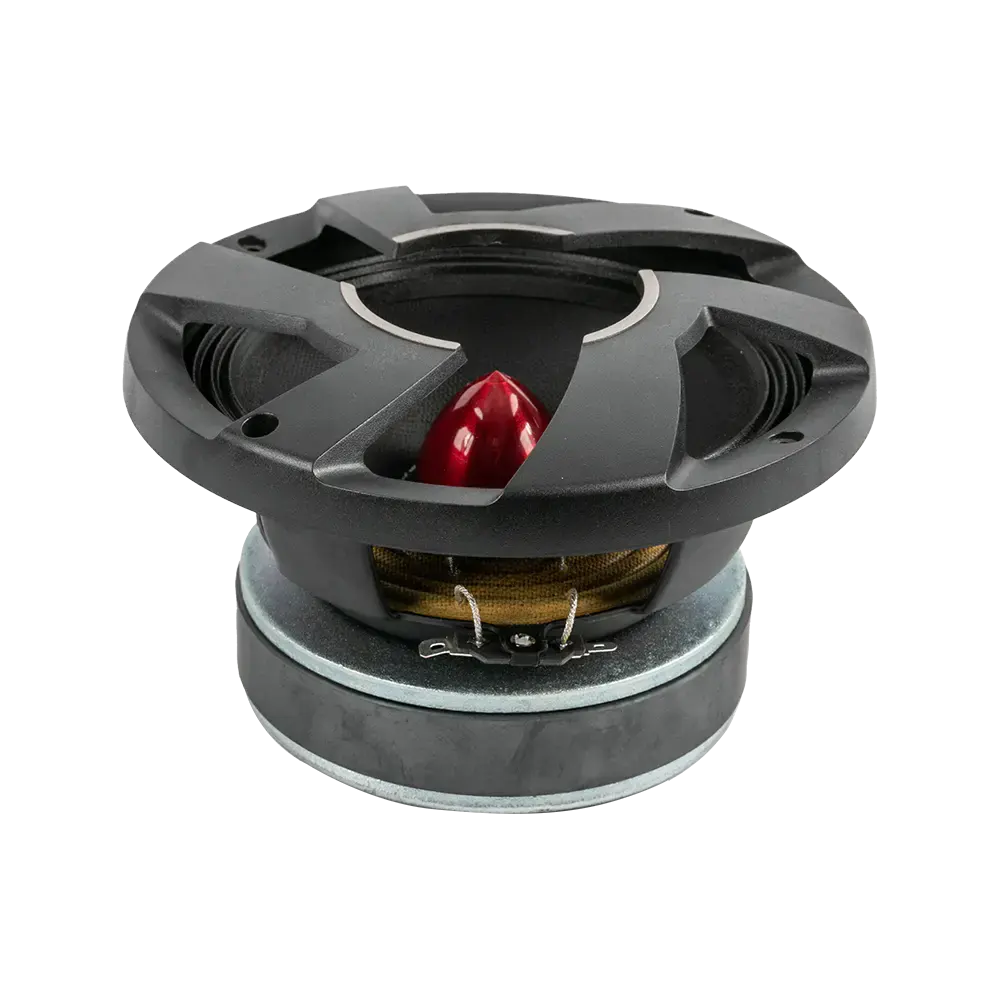
หลักการพื้นฐานของลำโพงแบบมิดเรนเจอร์: บทบาทของช่วงความถี่และความเข้ากันได้กับระบบ
ลำโพงแบบมิดเรนเจอร์คืออะไร? นิยามช่วงความถี่และวัตถุประสงค์เชิงอะคูสติกของมัน
ลำโพงมิดเรนจ์มีหน้าที่หลักในการจัดการช่วงความถี่ที่อยู่ระหว่าง 100 เฮิร์ตซ์ ถึง 5,000 เฮิร์ตซ์ ซึ่งเป็นช่วงที่หูของมนุษย์ไวต่อเสียงมากที่สุด ลองพิจารณาดังนี้: ประมาณ 80% ขององค์ประกอบที่ทำให้การพูดชัดเจนและเสียงเครื่องดนตรีมีความสมบูรณ์แบบนั้นอยู่ภายในช่วงความถี่นี้ นี่จึงเป็นเหตุผลว่าทำไมลำโพงมิดเรนจ์จึงมีความสำคัญอย่างยิ่งต่อการส่งมอบเสียงร้องที่แม่นยำ และรักษาสมดุลโทนเสียงโดยรวมให้ดี เมื่อผู้ผลิตออกแบบลำโพงมิดเรนจ์ พวกเขาให้ความสำคัญกับการควบคุมการบิดเบือน (distortion) ให้ต่ำมาก โดยเฉพาะในช่วงความถี่ที่สำคัญยิ่งระหว่าง 1–3 กิโลเฮิร์ตซ์ ซึ่งเป็นช่วงที่เสียงโจมตี (attack sounds) ของเครื่องดนตรีแสดงพลังออกมาอย่างเต็มที่ — โดยมักกำหนดเป้าหมายให้การบิดเบือนต่ำกว่าร้อยละ 0.5 งานวิจัยจากวารสาร Journal of the Audio Engineering Society ระบุว่า ระบบเสียงที่ใช้ไดรเวอร์มิดเรนจ์แยกต่างหากนั้นมีประสิทธิภาพดีกว่าในการเข้าใจคำพูดด้วย ผลการทดสอบพบว่า ความสามารถในการรับรู้คำพูดดีขึ้นประมาณร้อยละ 18 เมื่อเทียบกับระบบแบบฟูลเรนจ์ทั่วไป ทำไมจึงเป็นเช่นนั้น? เพราะไดรเวอร์เฉพาะทางเหล่านี้มีรูปทรงของไดอะแฟรมที่เหมาะสมกว่า และมีการสั่นสะเทือนที่ไม่พึงประสงค์น้อยลง จึงช่วยรักษาคุณภาพเสียงให้ดีขึ้น
การจับคู่อิมพีแดนซ์ กำลังที่รองรับได้ และจุดตัดสัญญาณให้สอดคล้องกับแอมพลิฟายเออร์และไดรเวอร์รุ่นเก่า
| ปัจจัยด้านความเข้ากันได้ | ผลกระทบต่อการบูรณาการ | การจับคู่ที่เหมาะสมที่สุด |
|---|---|---|
| อิมพีแดนซ์ (โอห์ม) | ป้องกันไม่ให้แอมพลิฟายเออร์ร้อนจัดเกินไป | จับคู่ให้อยู่ในช่วง ±10% ของไดรเวอร์ที่มีอยู่ |
| กำลังที่รองรับได้ (RMS) | หลีกเลี่ยงการบิดเบือนจากคลิปปิ้ง | เลือกให้มีค่าเท่ากับ 75% ของกำลังเอาต์พุตแบบต่อเนื่องของแอมพลิฟายเออร์ |
| จุดตัดสัญญาณ | ขจัดช่องว่างของความถี่ | ปรับความชัน (±6 เดซิเบล) ให้สอดคล้องกับการเปลี่ยนผ่านระหว่างวูฟเฟอร์และทวีตเตอร์ |
ผู้ผลิตใช้การวิเคราะห์แบบองค์ประกอบจำกัด (Finite Element Analysis) เพื่อให้มั่นใจว่าจะมีการผสานรวมอย่างไร้รอยต่อกับชิ้นส่วนรุ่นเก่า ความชันของตัวกรองแบ่งความถี่ที่ไม่สอดคล้องกันจะทำให้เกิดการหักล้างเฟสในช่วงความถี่พื้นฐานของเสียงร้อง (300–800 เฮิร์ตซ์) ขณะที่ค่าความต้านทานเชิงซ้อน (Impedance) ที่เบี่ยงเบนเกิน 20% อาจทำให้อุปกรณ์ขยายสัญญาณเกิดความไม่เสถียรได้ การทดสอบการฟังแบบไม่รู้แหล่งที่มา (Blind Listening Tests) ยืนยันว่า ระบบซึ่งปรับเทียบอย่างเหมาะสมสามารถลดความเมื่อยล้าจากการฟังลงได้ 27% ระหว่างการใช้งานต่อเนื่อง
การจัดวางเชิงกลยุทธ์และการผสานเข้ากับสถาปัตยกรรมเพื่อให้ครอบคลุมพื้นที่ได้ดีที่สุด
ตำแหน่งของ ลำโพงมิดเรนเจอร์ มีความสำคัญอย่างยิ่งต่อการกระจายเสียงอย่างสมดุลและการผสานเข้ากับห้องได้อย่างไร้รอยต่อ ซึ่งจำเป็นต้องอาศัยทั้งความเข้าใจในโครงสร้างและหลักความแม่นยำด้านอะคูสติก
การติดตั้งบนเพดาน บนผนัง และฝังในผนัง: การรักษาสมดุลระหว่างด้านความสวยงาม การกระจายเสียง และความสมบูรณ์ของคุณภาพเสียง
ตัวเลือกการติดตั้งแบบผิวเรียบ (Surface-mounted) ให้ความยืดหยุ่นในการจัดวาง แต่อาจก่อให้เกิดการรบกวนจากขอบเขต (Boundary Interference) หากติดตั้งใกล้มุมมากเกินไป ควรให้ความสำคัญกับ:
- มุมการกระจายเสียง : ชี้ลำโพงไปยังโซนการฟังหลัก
- การลดผลกระทบจากเรโซแนนซ์ : แยกตู้ลำโพงออกจากผนังยิปซัมโดยใช้แผ่นกันสั่นสะเทือน
- ความกลมกลืนทางทัศน์ : จับคู่พื้นผิวของตะแกรงให้สอดคล้องกับองค์ประกอบทางสถาปัตยกรรม
โซลูชันแบบติดตั้งในผนังช่วยรักษาความสวยงามของห้อง แต่ต้องประเมินความลึกของช่องว่างภายในผนังอย่างรอบคอบ เนื่องจากอากาศที่มีปริมาตรไม่เพียงพอหลังไดรเวอร์จะทำให้เกิดการบิดเบือนในย่านเสียงกลาง ในขณะที่กล่องด้านหลังที่ปิดผนึกไม่ดีจะทำให้เสียงรั่วไหลเข้าสู่ห้องข้างเคียง
การปรับแต่งเฉพาะตามห้อง: แก้ไขปัญหาจากรูปร่างที่ไม่สม่ำเสมอของห้อง และความท้าทายในการครอบคลุมหลายโซน
รูปร่างของห้องที่ไม่สม่ำเสมอ เช่น ห้องที่มีรูปแบบตัว L หรือเพดานโค้งสูง จะก่อให้เกิดคลื่นนิ่ง (standing waves) ซึ่งทำให้รายละเอียดของย่านเสียงกลางพร่ามัว สามารถลดผลกระทบนี้ได้โดย:
- จัดวางลำโพงแบบไม่สมมาตรในห้องที่มีรูปทรงเป็นตัวแทน
- ปรับมุมของไดรเวอร์ให้หันออกห่างจากพื้นผิวที่ขนานกันในห้องทรงสี่เหลี่ยมจัตุรัส
- ติดตั้งแผ่นดูดซับเสียงที่จุดสะท้อนหลัก
ระบบหลายโซนต้องมีการตั้งค่าความล่าช้าที่ผ่านการปรับเทียบแล้ว ผลการศึกษาปี 2019 ของสมาคมวิศวกรรมด้านเสียงแห่งอเมริกา (Acoustical Society of America) พบว่า ความไม่สอดคล้องกันของจังหวะสัญญาณเกิน 15 มิลลิวินาที ส่งผลให้ความชัดเจนของเสียงพูดลดลง 37% ในสภาพแวดล้อมแบบเปิด (open-plan environments) โปรดใช้ไมโครโฟนวัดค่าเพื่อประสานเวลาที่สัญญาณมาถึงให้ตรงกันทั่วทุกโซน
การผสานรวมแบบปรับขนาดได้: การเพิ่มลำโพงแบบมิดเรนเจอร์โดยไม่จำเป็นต้องปรับปรุงระบบโดยรวม
การเพิ่มลำโพงแบบมิดเรนจ์ไม่ได้หมายความว่าต้องรื้อระบบเสียงเดิมทั้งหมดออกตั้งแต่ต้น แต่มีวิธีที่ชาญฉลาดในการยกระดับคุณภาพเสียงพูดและทำให้เครื่องดนตรีโดดเด่นขึ้น โดยไม่จำเป็นต้องเริ่มต้นใหม่ทั้งหมด ระบบสายไฟแบบ 70 โวลต์ช่วยให้การติดตั้งลำโพงหลายตัวทำได้ง่ายขึ้นอย่างมาก เนื่องจากสามารถทำงานร่วมกับสายเคเบิลที่บางกว่าได้ดีแม้จะต้องเดินสายผ่านพื้นที่ขนาดใหญ่ ซึ่งช่วยประหยัดค่าใช้จ่ายในการเดินสายใหม่ทั้งระบบ และยังเปิดโอกาสให้สามารถเพิ่มลำโพงเพิ่มเติมในอนาคตได้อีกด้วย ลำโพงแบบมิดเรนจ์ที่มาพร้อมแทปทรานส์ฟอร์เมอร์แบบปรับค่าได้ ช่วยให้ช่างเทคนิคสามารถปรับสมดุลระดับเสียงระหว่างโซนต่าง ๆ ได้อย่างแม่นยำพอสมควร ส่วนโปรเซสเซอร์สัญญาณดิจิทัล (DSP) ที่ติดตั้งอยู่ในแอมพลิฟายเออร์รุ่นใหม่ ๆ นั้นสามารถจัดการการตั้งค่า EQ ที่ซับซ้อนและการปรับเวลาความล่าช้า (timing adjustments) ได้โดยอัตโนมัติ ไม่ว่าจะใช้อุปกรณ์ใดที่มีอยู่แล้วในระบบ การเลือกแนวทางนี้จึงช่วยรักษาค่าใช้จ่ายเดิมที่ลงทุนไปกับอุปกรณ์ไว้ทั้งหมด ขณะเดียวกันก็ให้การครอบคลุมความถี่กลาง (mid-frequency coverage) ที่ดีขึ้นเฉพาะจุดในพื้นที่นั้น ๆ ตรงตำแหน่งที่ผู้คนส่วนใหญ่ฟังเสียงจริง ๆ
การปรับเทียบและการรักษาความสอดคล้อง: การรับรองว่าโทนเสียงตรงกัน (Timbre Matching) และเฟสสอดคล้องกัน (Phase Alignment)
การจัดแนวเวลาอย่างมืออาชีพ การวิเคราะห์คุณลักษณะของอุปกรณ์ปรับแต่งเสียง (EQ) และการทดสอบความสอดคล้องของเฟส
การให้ทุกส่วนทำงานร่วมกันอย่างเหมาะสมขึ้นอยู่กับขั้นตอนการปรับเทียบหลักสามขั้นตอน ซึ่งล้วนมีผลต่อกันและกัน ขั้นตอนแรกคือการจัดแนวเวลา (Time Alignment) ซึ่งโดยพื้นฐานแล้วเป็นการแก้ไขปัญหาความไม่สอดคล้องกันของช่วงเวลาที่เกิดจากลำโพงแต่ละตัวอยู่ห่างจากตำแหน่งที่ผู้ฟังนั่งฟังคนละระยะ วิธีนี้ทำให้คลื่นเสียงมาถึงตำแหน่งผู้ฟังพร้อมกัน แทนที่จะเกิดเสียงสะท้อนหรือเสียงพร่ามัวในระบบเสียง ขั้นตอนถัดไปคือการสร้างโปรไฟล์ EQ (EQ Profiling) ซึ่งขั้นตอนนี้วิเคราะห์ว่าห้องนั้นๆ เปลี่ยนแปลงความถี่ต่างๆ อย่างไร จากนั้นจึงแก้ไขปัญหาดังกล่าวด้วยไมโครโฟนพิเศษและซอฟต์แวร์ที่สามารถวิเคราะห์สถานการณ์แบบเรียลไทม์ได้ สุดท้ายคือการทดสอบความสอดคล้องของเฟส (Phase Coherence Testing) ซึ่งตรวจสอบว่าลำโพงทั้งหมดทำงานร่วมกันอย่างถูกต้องหรือไม่ แม้ความไม่สอดคล้องกันเพียงเล็กน้อยก็มีผลมาก — ตัวอย่างเช่น ความแตกต่างของเฟสเพียง 20 องศา ณ จุดครอสโอเวอร์ระหว่างลำโพง อาจทำให้ระดับเสียงลดลงประมาณ 3 dB ได้จริง ทั้งนี้ ขั้นตอนเหล่านี้ไม่ใช่การแก้ไขแบบทันทีทันใดแต่อย่างใด ผู้คนส่วนใหญ่จำเป็นต้องใช้อุปกรณ์เฉพาะทาง เช่น เครื่องวิเคราะห์สเปกตรัมแบบเรียลไทม์ (Real Time Analyzers) เพื่อให้ได้ผลลัพธ์ที่ถูกต้อง อย่างไรก็ตาม งานวิจัยจากแหล่งต่างๆ เช่น AES E Library แสดงให้เห็นว่า การดำเนินการตามขั้นตอนเหล่านี้สามารถทำให้การเปลี่ยนผ่านความถี่ทั่วทั้งสเปกตรัมเสียงราบรื่นขึ้นได้สูงสุดถึง 40%
เหตุใดการเปลี่ยนลำโพงแบบ 'drop-in' สำหรับช่วงความถี่กลางจึงมักส่งผลให้ความต่อเนื่องของโทนเสียงลดลง
เมื่อผู้คนเปลี่ยนลำโพงโดยตรง มักประสบปัญหาเกี่ยวกับคุณภาพเสียงโดยรวมของระบบ เนื่องจากมักมีปัญหาหลักสามประการที่ส่งผลร่วมกัน ประการแรก การเปลี่ยนแปลงเล็กน้อยของอิมพีแดนซ์ (บางครั้งเพียงแค่ความต่าง 1 โอห์ม) จะรบกวนการควบคุมเสียงของแอมพลิฟายเออร์ และส่งผลต่อความเร็วในการตอบสนองต่อช่วงเสียงที่เปลี่ยนแปลงอย่างฉับพลัน (transients) ของดนตรี ประการที่สอง เมื่ออัตราความไว (sensitivity ratings) ต่างกันประมาณ 3 เดซิเบล จะทำให้เกิดความแตกต่างที่สังเกตได้ชัดเจนในระดับเสียงระหว่างลำโพงต่างชนิดกัน ซึ่งจำเป็นต้องปรับค่า gain ใหม่ ประการที่สาม หากจุดตัดความถี่ (crossover points) ไม่สอดคล้องกันอย่างเหมาะสม โดยเฉพาะกับลำโพงช่วงมิดเรนจ์ที่จัดการกับความถี่สำคัญของเสียงพูด (voice frequencies) ซึ่งอยู่ในช่วง 300 เฮิร์ตซ์ ถึง 3 กิโลเฮิร์ตซ์ เสียงโดยรวมจะกลายเป็นแบบขาดตอนและไม่เป็นธรรมชาติ งานวิจัยที่ตีพิมพ์เมื่อปีที่แล้วในวารสาร Applied Acoustics พบว่า ลำโพงสำรองเกือบเจ็ดในสิบตัวที่ติดตั้งโดยไม่ผ่านการทดสอบอย่างเหมาะสมนั้น กลับเปลี่ยนลักษณะเสียงไปในทางที่ผู้ฟังสามารถรับรู้ได้ชัดเจน แม้การเปลี่ยนลำโพงใหม่จะดูเหมือนทำได้ง่ายเพียงแค่เสียบเข้าไปแล้วใช้งานได้ทันที แต่การใช้เวลาในการปรับแต่ง (tuning) ระบบกลับให้สอดคล้องกันอย่างเหมาะสมยังคงมีความสำคัญอย่างยิ่งต่อการรักษาคุณภาพเสียงที่ดีตลอดทั้งระบบ
คำถามที่พบบ่อย
ลำโพงแบบมิดเรนจ์ครอบคลุมช่วงความถี่เท่าใด?
ลำโพงแบบมิดเรนจ์โดยทั่วไปจัดการกับความถี่ในช่วง 100 เฮิร์ตซ์ ถึง 5,000 เฮิร์ตซ์
เหตุใดการจับค่าอิมพีแดนซ์ให้สอดคล้องกันจึงสำคัญในระบบลำโพง?
การจับค่าอิมพีแดนซ์ให้สอดคล้องกันช่วยป้องกันไม่ให้อุปกรณ์ขยายสัญญาณร้อนจัดเกินไป และป้องกันความไม่เสถียรที่อาจเกิดขึ้นในระบบ
ความเสี่ยงจากการติดตั้งลำโพงแบบมิดเรนจ์อย่างไม่เหมาะสมคืออะไร?
การติดตั้งที่ไม่เหมาะสมอาจทำให้เกิดปรากฏการณ์การหักล้างเฟส (phase cancellation) สูญเสียความชัดเจนของเสียง และความไม่กลมกลืนของโทนเสียง
สารบัญ
- หลักการพื้นฐานของลำโพงแบบมิดเรนเจอร์: บทบาทของช่วงความถี่และความเข้ากันได้กับระบบ
- การจัดวางเชิงกลยุทธ์และการผสานเข้ากับสถาปัตยกรรมเพื่อให้ครอบคลุมพื้นที่ได้ดีที่สุด
- การผสานรวมแบบปรับขนาดได้: การเพิ่มลำโพงแบบมิดเรนเจอร์โดยไม่จำเป็นต้องปรับปรุงระบบโดยรวม
- การปรับเทียบและการรักษาความสอดคล้อง: การรับรองว่าโทนเสียงตรงกัน (Timbre Matching) และเฟสสอดคล้องกัน (Phase Alignment)
- คำถามที่พบบ่อย