
 EN
EN



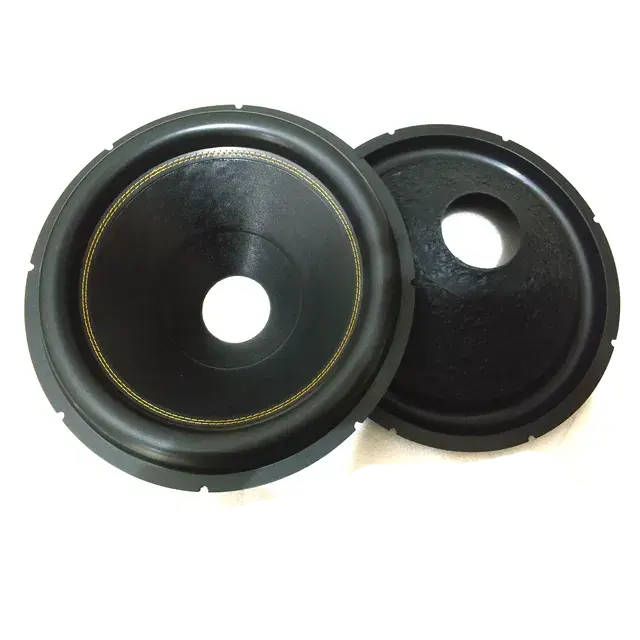
Speaker Enclosures: Structural Foundation for Accurate Sound Reproduction
Speaker boxes are essential parts of any audio setup because they stop the sound waves from the front and back of the speakers from canceling each other out. When these boxes trap the sound coming from behind the drivers, they help create cleaner bass tones and reduce overall distortion in the audio output. The physical design of these enclosures gives manufacturers better control over how the speaker cones move around. Plus, good enclosure design stops those annoying vibrations and resonances that mess up the true sound quality. For anyone serious about getting accurate music reproduction, proper speaker box construction is absolutely necessary to maintain that crisp, clear audio experience we all want from our systems.
Sealed vs. Vented Designs and Their Measurable Impact on Bass Extension and Transient Response
Enclosure design directly dictates low-frequency behavior through measurable physical principles:
| Design Parameter | Sealed Enclosure | Vented Enclosure |
|---|---|---|
| Bass Extension | Roll-off starts higher (≈50Hz) | Extends 10–15Hz lower via port resonance |
| Transient Response | 0.8× faster decay due to air spring damping | Slower recovery; port delays energy release |
| Distortion Risk | Minimal (<3% THD) | Port turbulence elevates distortion above 90dB |
In sealed acoustic suspension enclosures, trapped air works like a spring that keeps the speaker cone moving properly, which gives better control over fast musical passages and makes transients line up nicely in time. This kind of design really shines when playing complex music such as jazz where timing details matter most. On the other hand, vented speaker boxes boost bass through something called Helmholtz resonance, but there's usually a delay between 15 to 20 milliseconds at the tuning frequency, which can make sounds feel smeared together over time. According to recent lab tests shown in waterfall plots from the 2023 Group Delay Study, sealed enclosures actually lose energy about 30 percent quicker than their vented counterparts, cutting down on that lingering bass effect we all know as overhang.
Engineering Micro Enclosures: How Advanced Materials Compensate for Size Limitations
Miniature enclosures face severe physics constraints: reduced internal volume limits bass extension while smaller panels increase resonance risks. Advanced composites counteract these effects:
- Carbon fiber/Kevlar laminates achieve 5× higher stiffness-to-mass ratios than MDF, suppressing panel resonance by 12dB at 200–500Hz Vibration Analysis, 2024
- Viscoelastic interlayers in constrained damping designs dissipate vibrational energy as heat, lowering Q-factor peaks by 40%
- Internal hyperbolic geometries break up standing waves without consuming volume, maintaining phase coherence
These innovations allow micro enclosures to achieve 60Hz bass response—previously impossible below 5-liter volumes. Computational modeling reveals composite enclosures achieve 92% vibrational energy rejection versus 74% for plastic equivalents, proving material science triumphs over dimensional limitations.
Internal Acoustic Treatments: Damping, Bracing, and Resonance Control
These essential speaker accessories control internal vibrations that degrade audio clarity. Without proper treatment, cabinet resonances distort bass response and add coloration to midrange frequencies. Advanced solutions convert vibrational energy into heat through specialized materials and strategic reinforcement.
Cabinet Damping Materials and Panel Resonance Suppression (Validated via FFT Measurements)
Damping layers inside speaker cabinets soak up vibrations before they can reach the panel surfaces. These special composite materials work by turning sound waves into heat energy as different materials rub against each other. Applying these polymer sheets inside speaker boxes cuts down on resonance levels by around 6 to 9 decibels based on those FFT tests we all know about. The result? No more that annoying boomy sound between 100 and 500 Hz frequencies where wood tends to vibrate the most. For thicker panels measuring 18 to 25mm with proper damping treatment, manufacturers report about a 3 percent reduction in harmonic distortion when compared to regular panels without any treatment. Good damping not only keeps sounds tight but also helps maintain fast transients while keeping those pesky standing waves at bay.
Strategic Internal Bracing and Non-Parallel Geometry to Disrupt Standing Waves
When building speaker cabinets, cross bracing helps keep those big panels from bending under pressure. And don't forget about window bracing around the drivers either it stops them from warping out of alignment when things get loud. Some folks swear by non parallel surfaces because they break up those annoying standing waves. The golden ratio stuff might sound fancy, but basically what happens is angled walls make sound bounce around differently. Measurements suggest this can change reflection paths by somewhere between 15 and 40 percent compared to regular box shapes. That makes a real difference in how low frequencies behave, especially between 300 and 800 Hz where most people notice problems. Research indicates triangular bracing setups actually cut down on resonance decay time by about 22 milliseconds over standard enclosures. All these techniques together stop those pesky dead spots in the bass response that ruin so many listening experiences. Of course, results will vary depending on materials used and construction quality.
Speaker Grilles and Protective Meshes: Balancing Protection with Acoustic Transparency
Grille Fabric Density, Diffraction Effects, and High-Frequency Response Above 8 kHz
The speaker grille does more than just look good on a speaker cabinet. It actually plays two important roles: protecting the driver components and affecting how sound waves pass through. The thickness of the material makes a big difference when it comes to clear high frequencies. Thicker fabrics do a great job keeping dust and debris away from sensitive parts, but they also tend to soak up those upper frequencies above 8 kHz. Some testing done last year by audio engineers showed that tight weave polyester materials can cut down on sound output by around 2 to 5 dB at 10 kHz compared to lighter, more open weave options. Manufacturers have found ways around this problem though, and there are three main approaches that help strike a better balance between protection and sound quality.
- Optimal hole patterns: Perforated metal/plastic grilles removing 40–60% surface area maintain structural integrity while minimizing high-frequency absorption
- Diffraction management: Rounded grille edges minimize sound wave scattering that causes erratic peaks/dips (±3 dB) in the 5–15 kHz range
- Diaphragm clearance: Maintaining 1–2 mm spacing prevents contact during driver excursion while reducing turbulence-induced distortion
| Design Factor | Acoustic Impact | Protection Benefit |
|---|---|---|
| Low-density fabric | <1 dB attenuation above 8 kHz | Limited debris resistance |
| High-density fabric | 3–7 dB attenuation above 8 kHz | Superior impact/dust protection |
| Perforated metal (40–60% open) | Near-transparent response | Robust physical defense |
Strategic grille implementation preserves high-frequency articulation essential for vocal intelligibility and cymbal reproduction while safeguarding drivers. This balance exemplifies how thoughtful accessory design elevates overall speaker performance without compromising durability.
Beyond Enclosures and Grilles: Other Critical Speaker Accessories That Shape Sound
Enclosures and grilles are definitely important in acoustics, but there are other parts that get overlooked when talking about how speakers really perform. Take the dust cap for instance, which sits right on top of the diaphragm. Its main job is to keep dirt out of the voice coil area, but what many people don't realize is that the material choice and shape actually affects how high frequencies spread out and how quickly sounds start and stop. Then there's the wiring and connectors. Good quality wires with low resistance help maintain clean signals throughout all frequency ranges, whereas poor connections can lead to annoying dropouts that distort the sound. The speaker basket or frame deserves attention too. This structural component holds everything together and fights against unwanted vibrations. Anodized aluminum frames tend to be better at this because they dampen those pesky midrange vibrations that muddy up the sound. All these pieces need to work together properly. A well made basket ensures the voice coil stays aligned just right, and when combined with a thoughtfully designed dust cap, helps create that sense of space and direction we hear in good audio systems. Skip any of these details and problems like timing issues between different frequencies or compressed dynamics can creep in, no matter how nice the rest of the system looks on paper.
FAQ
What is the main purpose of speaker enclosures?
Speaker enclosures are designed to prevent the sound waves from the front and back of the speaker from canceling each other out. They help in creating cleaner bass tones and reduce audio distortion.
How does a sealed enclosure differ from a vented enclosure in terms of bass extension?
A sealed enclosure has a bass roll-off starting higher, around 50Hz, while a vented enclosure extends 10-15Hz lower due to port resonance.
What materials are used in micro enclosures to enhance sound quality?
Materials like carbon fiber/Kevlar laminates and viscoelastic interlayers are used to enhance sound quality by suppressing resonance and dissipating vibrational energy.
How do speaker grilles affect sound quality?
Speaker grilles protect the drivers and impact sound quality. The grille fabric's density can absorb high frequencies, and the design needs to balance protection with acoustic transparency.
Why are damping materials important in speaker construction?
Damping materials inside speaker cabinets absorb vibrations that could otherwise reach the panel surfaces and cause distortion, thereby enhancing audio clarity.
Table of Contents
- Internal Acoustic Treatments: Damping, Bracing, and Resonance Control
- Speaker Grilles and Protective Meshes: Balancing Protection with Acoustic Transparency
- Beyond Enclosures and Grilles: Other Critical Speaker Accessories That Shape Sound
-
FAQ
- What is the main purpose of speaker enclosures?
- How does a sealed enclosure differ from a vented enclosure in terms of bass extension?
- What materials are used in micro enclosures to enhance sound quality?
- How do speaker grilles affect sound quality?
- Why are damping materials important in speaker construction?