
 EN
EN



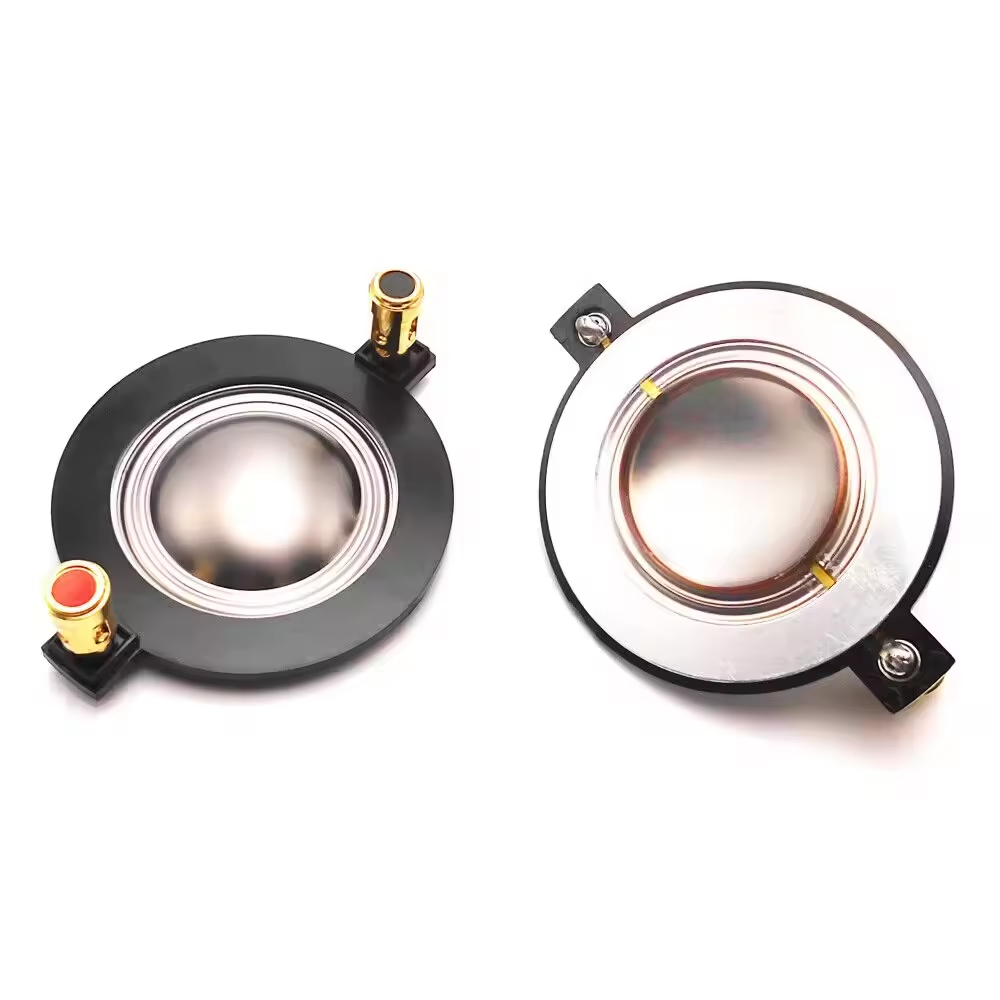
Diaphragm Material Selection for Chemical, Thermal, and Mechanical Performance
Rubber, EPDM, FKM, and PTFE-Lined Diaphragms: Matching Chemistry to Process Requirements
Choosing the correct diaphragm material requires looking at several factors together: what chemicals it will encounter, how much heat it can handle, and what kind of physical stress it faces. Natural rubber and SBR are flexible options but they break down quickly when exposed to hydrocarbons. EPDM stands out for resisting water, steam, alkalis, and mild acids. That makes it work well in things like drinking water systems, cleaning processes in pharmacies, and heating/cooling equipment. However, EPDM has major issues with oils, ketones, and chlorinated solvents where it tends to fail completely. Fluorocarbon rubber (FKM) handles fuels, aromatic compounds, and mineral oils even at pretty high temps around 350 degrees Fahrenheit. But watch out for hot steam or strong bases because FKM doesn't perform so great there. PTFE lined diaphragms have perhaps the best chemical resistance available today including tough stuff like nitric acid and chlorine dioxide. There's a catch though these materials don't last as long when flexed repeatedly, resist wear poorly, and get damaged easily if mishandled during installation or operation.
| Material | Chemical Resistance | Max Temp (°F/°C) | Abrasion Resistance | Flex Life |
|---|---|---|---|---|
| EPDM | Water, steam, mild acids, alkalis | 280/138 | Moderate | Good |
| FKM | Fuels, aromatics, chlorinated solvents | 350/177 | Low | Poor |
| PTFE-Lined | Strong acids, oxidizers, caustics, solvents | 220/104 | Very Low | Very Poor |
Chemical Compatibility and Derating: Why Temperature–Pressure Limits Vary by Diaphragm Material
Derating curves aren't one size fits all really they show us how different materials react when exposed to both heat and chemicals together. Take EPDM for instance it holds up pretty well below about 150 degrees Fahrenheit in acidic environments but starts losing serious strength once temps hit around 200 degrees. FKM seals work across a broad temperature range generally speaking but get quite stiff when things drop below minus 20 degrees Fahrenheit which makes them more prone to cracking in cold conditions. PTFE lined diaphragms stand up against almost any chemical out there regardless of pH levels but these same components turn brittle at extremely low temperatures and wear out fast if flexed close to their maximum rating of about 220 degrees Fahrenheit. Industry data shows that running equipment just 10% above what's recommended for a material can cut down on its useful life by roughly 20%. And here's something important to remember concentration counts big time too. Even tiny traces of wrong solvents matter a lot. We've seen cases where just half a percent acetone mixed into what should be compatible fluid with EPDM caused failures three times faster according to standard ASTM D471 tests. So don't rely on generic compatibility guides always check those specific manufacturer charts before making final decisions about material choices.
Diaphragm Geometry and Flexing Behavior: Impact on Service Life and Reliability
Radial vs. Conical Profiles: Stress Distribution, Fatigue Resistance, and Cycle Life Predictions
The way radial and conical diaphragms handle stress during operation makes all the difference in how long they last and how reliable they are. Radial designs have this nice round flex area that spreads out the bending stress evenly over the whole surface. This even distribution helps avoid those hot spots where strain builds up too much, which means these can often last well over 100,000 cycles in applications with pressures around 60 to 125 psi, especially when using tough materials like EPDM rubber. On the other hand, conical shapes tend to pile up stress right at the top of their tapered section, creating what engineers call a "hinge point" that's just waiting to crack under repeated stress. When put through the same pressure cycles, conical diaphragms generally only make it about 60 to 70% of what their radial counterparts manage. Most manufacturers run simulations called finite element analysis (FEA) to see exactly how these stresses play out before finalizing their design decisions. In real world situations, radial designs are usually the go-to choice for equipment that needs to operate thousands upon thousands of times like in batching processes or cleaning systems. But sometimes space limitations or lighter duty requirements make conical options still worth considering despite their shorter lifespan.
Valve Body Design and Diaphragm Integration: Weir vs. Straight-Through for Optimal Diaphragm Function
The valve body isn’t just a housing—it actively governs diaphragm loading, flow dynamics, and long-term sealing integrity. Two primary architectures—weir and straight-through—dictate how mechanical energy transfers to the diaphragm and how process media interacts with the seal interface.
Weir Design: Controlled Lift, Throttling Accuracy, and Reduced Diaphragm Bending Stress
Weir type valves feature a raised saddle area where the diaphragm actually makes contact. The design works differently than standard flat seats because it reduces how much the diaphragm needs to bend when opening and closing. Tests show this can cut down on flex movement by around 60 to maybe even 80 percent. Instead of needing big movements back and forth, these valves compress at smaller angles. What does this mean practically? Less stress on the material. Most setups keep peak strain under about 0.8%, which stays safely inside what EPDM and FKM materials can handle without breaking down. For applications where precision matters like drug manufacturing or chemical processing, this gives about plus or minus 1.5% accuracy in flow control. And real world experience shows these valves last roughly twice as long as regular ones during repeated cycling operations. Plus there's another benefit worth mentioning: the shape of the weir helps absorb sudden pressure changes and vibrations from fluid flow, so the diaphragm doesn't get worn out as quickly from all that constant motion.
Straight-Through Design: Self-Cleaning Flow Path, Low Holdup Volume, and Sanitary/Slurry Suitability
Straight through valves remove all those internal obstacles that get in the way of fluid movement, creating a completely open flow path that lines up perfectly with the pipe itself. According to testing done under ASME BPE standards, these valves stop particles from getting trapped in about 97% of cases involving abrasive slurries. They also leave behind less than 0.1% of the pipe's total capacity as residual volume, which is why they meet those strict hygiene requirements needed in biopharmaceutical applications. Plus, they can handle really thick substances with viscosities reaching up to 50,000 centipoise without causing any flow issues or pulsations. On the downside though, since there's no mechanical stop built in, the diaphragm has to stretch all the way across without support, leading to roughly 40% more strain compared to weir type designs. This increased stress on the components, along with the fact that these valves aren't great at fine adjustments (typically only +/- 5-8% control), means they aren't ideal when precise modulation is required. But for situations where things like proper drainage, easy cleaning, or moving solid materials are most important, straight through valves work exceptionally well. Think wastewater treatment plants, food processing facilities, or anywhere sterile bulk transfers need to happen efficiently.
FAQ
What factors should be considered when selecting diaphragm materials?
The selection should consider chemical exposure, thermal tolerance, and mechanical stress. Each material such as EPDM, FKM, and PTFE offers different benefits and drawbacks that should be analyzed according to specific process requirements.
Why is it important to check manufacturer-specific compatibility charts?
Manufacturer-specific compatibility charts offer detailed insights on how materials perform under specific conditions—like chemical exposure and temperature—which can widely differ from general guidelines. This is crucial for making informed material choices.
How do radial and conical diaphragm designs affect service life?
Radial diaphragms distribute stress more evenly, resulting in longer service life and reliability, whereas conical designs create stress points and are generally less durable.
What are the advantages of using weir-type valve designs?
Weir-type valves offer controlled lift, improved throttling accuracy, and reduced diaphragm bending stress, making them ideal for precision applications.
When should straight-through valve designs be used?
Straight-through designs are preferred in applications where self-cleaning, low holdup volume, and accommodation of thick or abrasive media are critical, such as in wastewater treatment or food processing.
Table of Contents
- Diaphragm Material Selection for Chemical, Thermal, and Mechanical Performance
- Diaphragm Geometry and Flexing Behavior: Impact on Service Life and Reliability
- Valve Body Design and Diaphragm Integration: Weir vs. Straight-Through for Optimal Diaphragm Function
-
FAQ
- What factors should be considered when selecting diaphragm materials?
- Why is it important to check manufacturer-specific compatibility charts?
- How do radial and conical diaphragm designs affect service life?
- What are the advantages of using weir-type valve designs?
- When should straight-through valve designs be used?