
 EN
EN



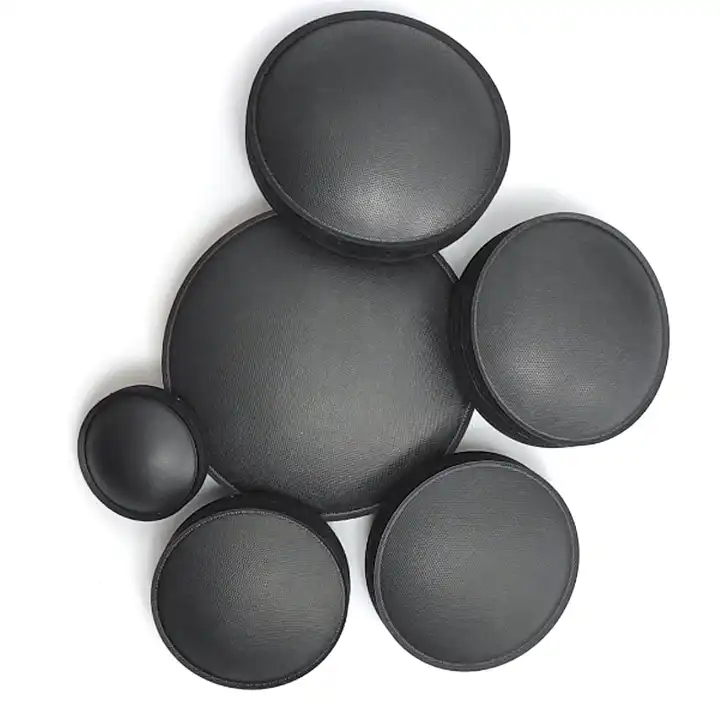
Core Protective Function of the Dust Cap
How the dust cap shields the voice coil gap from debris and moisture
The dust cap sits right in the middle of the speaker cone and acts as a protective shield for that super thin voice coil gap we're talking about here something thinner than a single strand of hair actually. Without this protection, dust and dirt particles end up collecting on those delicate coil windings inside, creating all sorts of problems like friction and resistance when the speaker moves back and forth. Moisture is another big concern too because humid air can cause copper windings to oxidize over time, which messes with their ability to conduct electricity properly. Manufacturers have built tiny vents into these caps though so they let just enough air through to balance out internal pressures without letting any unwanted stuff get in. This helps keep everything moving smoothly and makes sure our speakers last longer without losing quality.
Consequences of dust cap omission: coil abrasion, shorting, and premature failure
Operating a speaker without a dust cap exposes the voice coil to rapid degradation through three primary failure mechanisms:
- Abrasion: Ingested particles grind against the coil, wearing down insulation and conductive layers
- Electrical shorting: Metallic debris can bridge adjacent windings, creating unintended current paths
- Humidity damage: Moisture accelerates corrosion of copper, increasing resistance by up to 40%
These issues result in distorted audio, reduced sensitivity (up to -6dB), and eventual coil seizure. Contamination in the magnetic gap can reduce speaker lifespan by 60–70%, turning minor exposure into irreversible failure. The dust cap is not merely protective—it is essential for mechanical and electrical stability.
Dust Cap Design Variations and Their Acoustic Impact
Dome, screen, and vented dust cap types — structural and airflow trade-offs
There are basically three types of dust caps out there: domed, screened, and vented. Each one makes different tradeoffs when it comes to keeping stuff out versus letting air flow through and how they affect sound quality. Domed caps do the best job at stopping dirt and dust from getting inside speakers, but they tend to block airflow which can create back pressure and cut down on bass performance. Screened models have tiny meshes that let air pass through while still catching bigger particles. This helps keep components cooler when running for long periods. Vented caps have little holes that balance pressure inside the speaker, cutting down on bass distortion and making the diaphragm work better by about 15 to maybe even 30 percent over sealed designs. The downside? Those same vents make them more vulnerable to fine dust particles. That's why good surround materials and strong suspension systems matter so much for lasting performance. Picking the right type really comes down to what kind of environment the equipment will face and what sort of sound characteristics are most important.
How stiffness and mass influence cone breakup and midrange clarity
What kind of material goes into making a dust cap really matters when we look at how cones behave in that crucial 1-5kHz midrange area where breakup modes start causing distortion problems. When manufacturers use heavier stuff like aluminum, they get some benefits since the added weight helps control those pesky high frequency resonances. But there's a tradeoff here too because the extra mass can actually create inertial lag which makes transients sound blurry instead of crisp. On the flip side, lightweight polymers definitely cut down on mass loading issues but these materials often struggle with flexural vibrations that end up scattering sound waves all over the place. That's why many engineers turn to felt composites as a middle ground solution. These materials manage to keep around 92% stiffness while still being light enough not to weigh things down. The result? Less phase cancellation happening during playback, so vocals stay clear and intelligible even at higher volumes. Real world testing backs this up showing that polymer-felt combinations produce about 40% less total harmonic distortion at 3kHz compared to their rigid counterparts. Makes sense really when considering how important getting that right balance of mass distribution is for capturing those quick musical details accurately.
Dust Cap’s Role in Sound Quality and Frequency Response
Effects on high-frequency dispersion, beaming control, and off-axis response
The dust cap does more than just protect components. It actually has a major impact on how high frequencies spread out in a room. Sitting right in the middle of the diaphragm, this small part affects the way sound moves through space. When manufacturers get the design wrong, problems start to appear. Beaming becomes an issue where high frequencies narrow down, creating those annoying hot spots directly in front of speakers while leaving other areas sounding flat. Dome shaped caps work better because they send sound waves outwards instead of straight ahead. This makes a noticeable difference in sound quality around 30 to 45 degrees from the main axis. Rooms tend to have much more balanced tones overall. Bad resonance control in these caps leads to sharp spikes somewhere between 2kHz and 5kHz, making vocals sound muddy and unclear. Good designs keep things smooth across the frequency range, steering clear of that shrill midrange effect people often complain about with cheaper speaker setups.
Material science: Felt, silk, aluminum, and polymer dust caps and their tonal signatures
The type of material used for a dust cap really affects how it sounds because of the way it handles stiffness and absorbs vibrations. Felt dust caps tend to soak up those middle range frequencies, which gives them that warm, natural sound many people love for vocals. The silk versions work differently though they cut down on those high frequencies above 10kHz pretty smoothly without losing any of the finer details in the sound. Aluminum dust caps are super rigid so they handle fast transients well, but sometimes they can sound a bit too metallic if there's no damping involved. That makes them better for studio monitors where accuracy matters most. When it comes to polymer blends like polypropylene, these materials strike a good balance between being neutral sounding and lasting longer than paper alternatives. Tests show they reduce those annoying breakup modes by around 40%. Different materials actually change the frequency response in subtle ways. For instance, felt adds about +1dB at 8kHz while aluminum boosts presence with roughly +3dB. Getting the right match between the dust cap material and the driver design helps maintain consistent tone quality and keeps distortion levels low across different applications.
Thermal Management and Reliability in High-Power Applications
When running at high power levels, voice coils often get really hot, sometimes over 150 degrees Celsius after being on for a while. The dust cap actually helps manage this heat by pulling it away from the coil itself, especially if it's constructed with materials that conduct heat well such as aluminum or certain modern plastics. Designs with vents work even better because they let air move through, which cuts down on heat accumulation that tends to break down glues and bend parts over time. If there isn't proper heat control happening, things fall apart pretty quickly. Tests in the field indicate that voice coils without good thermal design start failing around 70% quicker than those with proper cooling features. For speakers handling big wattages, the dust cap isn't merely something that protects the inside parts anymore. It plays a vital role in keeping everything working reliably and sounding good even when temperatures climb.
FAQ
Why is a dust cap important for speakers?
A dust cap is essential in speakers as it protects the voice coil gap from debris, moisture, and oxidation, ensuring longevity and maintaining sound quality.
What happens if a speaker operates without a dust cap?
Operating without a dust cap exposes speakers to abrasion, electrical shorting, and humidity damage, leading to distorted audio, reduced sensitivity, and potential premature failure.
How does the dust cap design affect sound quality?
The design influences airflow, high-frequency dispersion, and beaming control. Different materials affect tonal signatures, stiffness, and absorption of vibrations.
Which dust cap design offers the best protection?
Domed dust caps offer the best protection against debris but may limit airflow, while screened and vented designs provide balanced protection and airflow.