
 EN
EN



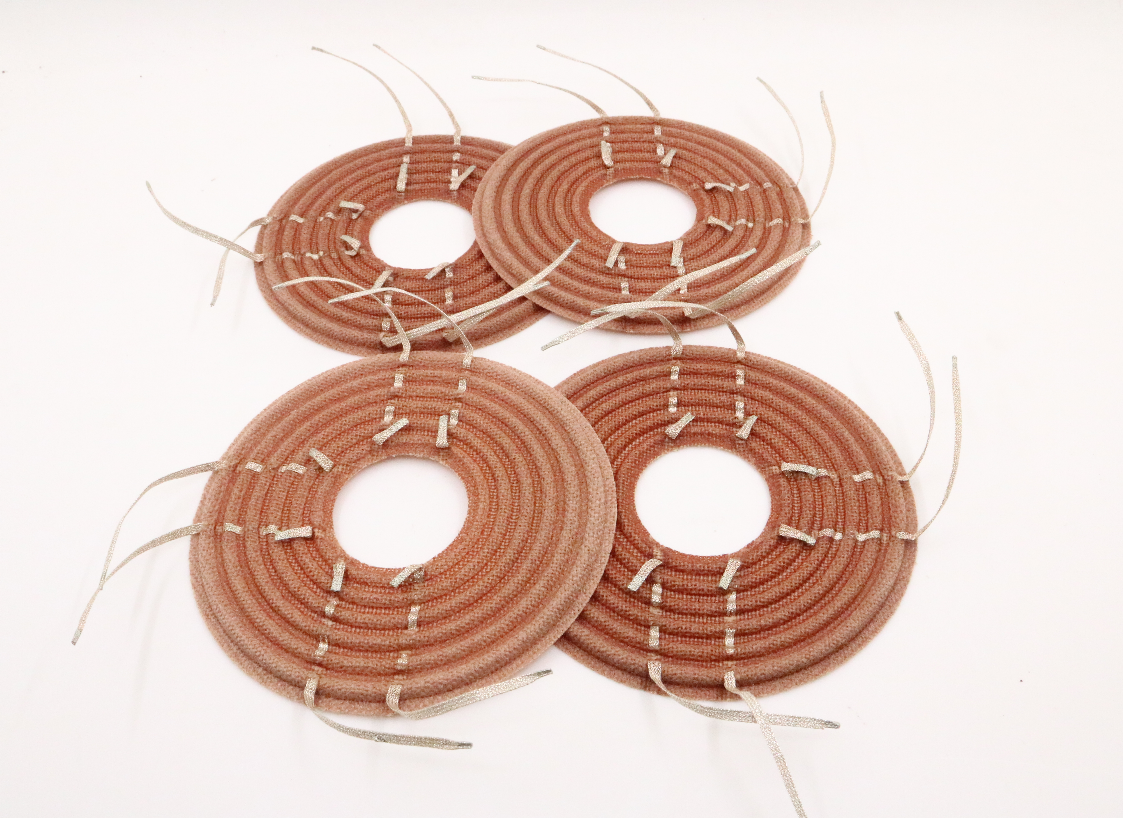
Understanding AWG and How Lead Wire Gauge Affects Speaker Performance
How the AWG System Defines Lead Wire Thickness and Conductivity
The American Wire Gauge or AWG system basically measures how thick a wire is based on its diameter. The rule of thumb here is simple enough: smaller gauge numbers mean thicker wires. When we move down six gauges at once, say going from 16 AWG all the way to 10 AWG, what happens? Well, the actual cross section gets about twice as big, which cuts down on electrical resistance quite a bit. Most manufacturers stick with copper for their speaker cables because it offers great conductivity without breaking the bank. Some folks go for silver plating thinking it makes a difference, but honestly, those improvements are barely noticeable in typical listening situations. And remember, each time the gauge number goes up by one, resistance jumps around 6%. That's why picking the right wire size really matters if someone wants to keep power losses low and maintain good sound quality throughout their audio setup.
The Physics of Resistance: Why Smaller Gauge Numbers Mean Lower Loss in Lead Wire
The resistance in speaker cables obeys Ohm's Law basically R equals resistivity times length divided by area. So as wires get longer or have higher resistivity materials, resistance goes up. But if the wire has a bigger cross section, resistance actually decreases. When this happens in speaker systems, we see voltage drop along the cable before it even gets to the speaker driver. That means less power reaches the speaker and the sound quality suffers because the dynamic response becomes distorted. Take AWG ratings for instance. A 16 gauge wire has about 4 ohms resistance per thousand feet, whereas going down to 12 gauge cuts that number to around 1.59 ohms. That's roughly a 60 percent improvement. Low impedance speakers rated at 4 ohms are particularly sensitive to this issue since they pull almost twice as much current compared to their 8 ohm counterparts when operating at similar power levels. This increased current flow makes those resistive losses much worse and puts extra strain on amplifiers too.
Matching Lead Wire Gauge to Distance, Power, and Speaker Impedance
Distance Guidelines: Optimal Lead Wire Gauge for Runs Up to 50 ft, 50–100 ft, and Beyond
Longer lead wire runs compound resistance—and therefore power loss—linearly with distance. To maintain signal integrity:
- ≤50 ft: 16 AWG delivers reliable performance for typical home audio setups
- 50–100 ft: 14 AWG meaningfully reduces voltage drop—cutting power loss from ~15% (with 16 AWG) to ~8% under identical conditions
- >100 ft: 12 AWG or thicker is recommended to prevent audible degradation, particularly with high-power or low-impedance loads
Thicker gauges mitigate resistance-related losses without requiring system redesign—but gains diminish beyond what physics and audibility thresholds justify.
Impedance Matters: Why 4Ω Speakers Require Thicker Lead Wire Than 8Ω Loads
The impedance of speakers plays a big role in how much current they draw from an amp. For instance, when comparing speaker loads, a 4 ohm system will pull about double the amps compared to an 8 ohm setup when working off the same amplifier output. This matters because as we know from basic electricity principles, power losses increase dramatically with higher currents. Even small amounts of resistance in wiring can start affecting sound quality in 4 ohm systems. We tend to notice this through uneven frequency responses, where certain notes just don't come through right. At louder volumes, these systems also compress the audio signal more than expected. And let's not forget the heat factor either – amplifiers running 4 ohm loads get warmer faster, which explains why many manufacturers specify maximum operating temperatures for their equipment.
| Impedance | Recommended Minimum Gauge |
|---|---|
| 8Ω | 16 AWG |
| 4Ω | 14 AWG (or 12 AWG for >50 ft) |
Thinner wire acts as a bottleneck in low-impedance configurations. Compensating with appropriately sized lead wire ensures stable damping factor, consistent transient response, and long-term amplifier reliability.
Avoiding Over-Engineering: When Thicker Lead Wire Adds Cost Without Audible Benefit
Using thicker lead wire does cut down on resistance, though not every reduction actually makes a noticeable difference in sound quality. Most home audio setups under 50 feet long that power standard 8 ohm speakers with amps rated at 150 watts or less will find that 16 to 18 gauge wire only causes about half a decibel of signal loss overall. That's way below what the average person can hear anyway. Going bigger than needed just drives up the price tag by around 40 percent according to Electrical Safety Foundation research from last year, plus thicker wires are harder to work with because they're stiffer and take up more space. Save those heavy duty 10 gauge cables for special situations like really long cable runs over 100 feet, systems running high current through 4 ohm speakers, or pro grade gear pushing close to a thousand watts. For regular folks setting up their living room system, spending extra time getting connections right, using pure copper wiring, and making sure everything is properly shielded will give better results than constantly looking for thinner and thinner gauge numbers.
Practical Lead Wire Selection Checklist for Installers and Audiophiles
Step-by-Step Decision Framework: Amplifier Power, Cable Length, and Load Impedance
Use this evidence-based framework to select lead wire gauge efficiently and confidently:
-
Confirm key system parameters:
- Amplifier RMS power output (e.g., 50W, 100W, 200W)
- Speaker nominal impedance (4Ω, 6Ω, or 8Ω)
- Exact cable run length—from amplifier terminals to speaker inputs
-
Cross-reference using this guideline table:
| Distance | 8Ω Load | 4Ω Load |
|---|---|---|
| Under 50 ft | 16 AWG | 14 AWG |
| 50–100 ft | 14 AWG | 12 AWG |
| Over 100 ft | 12 AWG or lower | 10 AWG or lower |
-
Factor in environment and use case:
- Indoor residential setups with 8Ω speakers and ≤50 ft runs rarely benefit from upgrading beyond 16 AWG
- High-humidity, outdoor, or in-wall plenum-rated installations may require UL-listed or CL3-rated cable—regardless of gauge
- Prioritize oxygen-free copper (OFC) and secure, corrosion-resistant terminations over speculative gauge upgrades
This approach balances electrical integrity, cost efficiency, and real-world audibility—grounded in both measurement standards and decades of field-proven practice.
FAQs
-
Why does smaller AWG mean thicker wire?
In the AWG system, smaller numbers actually indicate thicker wires. This is because the scale inversely measures the wire's diameter, making lower numbers represent larger diameters and thus thicker wires. -
How does wire gauge affect speaker performance?
Gauge impacts the resistance of the wire, affecting how much power reaches the speaker. Thicker wires reduce resistance, helping to maintain better sound quality by allowing more power to transfer efficiently. -
When should I use thicker lead wires?
Thicker wires are beneficial for longer distances, high-power setups, or when using low-impedance speakers such as 4Ω. They help minimize power losses and preserve sound quality over extended cable runs. -
Is there a cost-benefit to using thicker wires?
While thicker wires reduce resistance, they may not always be beneficial in short-range or lower-powered home audio setups. The additional cost might not yield noticeable audio improvements unless the system is high-power, long-distance, or low-impedance.