
 EN
EN



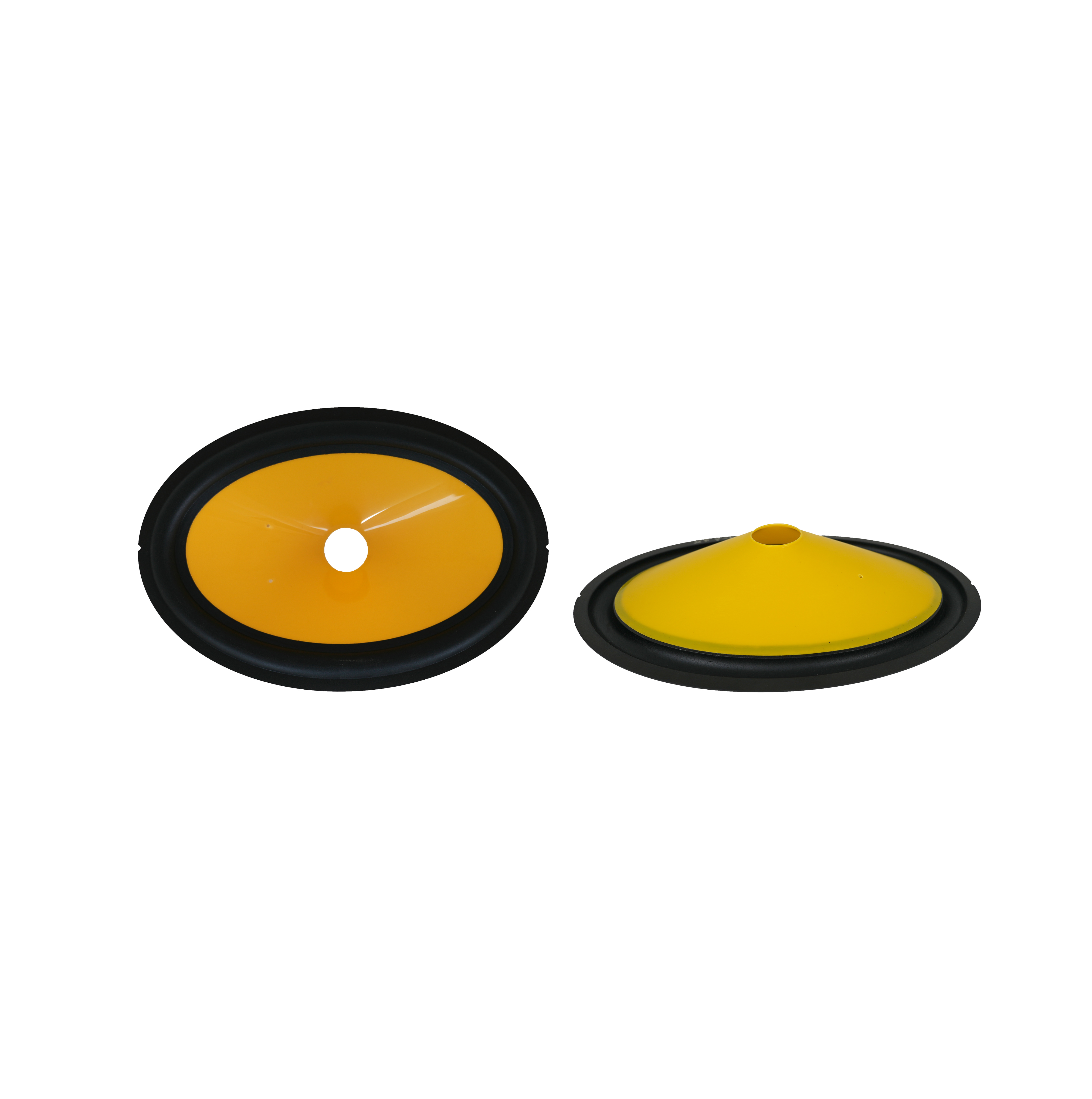
Acoustic Advantages of Cloth Edge Paper Speaker Cones
Enhanced Damping and Transient Response from Fabric-Edge Suspension
Cloth edge suspensions on paper speaker cones really boost damping performance when compared to old school foam or rubber surrounds. According to research from the Audio Engineering Society back in 2023, these fabric designs soak up vibrations about 40 percent quicker. What does this mean? The speaker cone settles down almost instantly once the music stops playing. This matters a lot for capturing those sharp drum hits and consonant sounds in vocals that make recordings feel real. Traditional surrounds just can't match this response time. Another advantage worth mentioning is how well these woven edges handle heat buildup. Regular surrounds tend to get hot over time which affects their performance, but the cloth material stays cooler throughout long listening sessions, keeping the speaker sounding consistent no matter how long it runs.
Improved Linearity and Reduced Harmonic Distortion at Mid-Bass Frequencies
Cloth edge paper cones show around 15 percent less harmonic distortion compared to synthetics when we look at frequencies between 80 and 500 Hz. The design combines both materials so there's a gradual shift from stiff paper to flexible edges, which gets rid of those sudden changes in impedance that mess up how speakers respond to different frequencies. What makes these drivers stand out is their ability to keep moving smoothly even when pushed hard, avoiding that bloated bass sound many listeners complain about. Real world tests have shown improvements too, with measurements indicating about 2.8 dB better performance off axis in this important range. That translates to consistent sound quality no matter where someone sits in a room, something audiophiles really appreciate.
REACH Certification: Material Safety and Manufacturing Integrity for Speaker Cone Production
How REACH Compliance Ensures Non-Toxic, Traceable Paper Pulp and Adhesive Systems
The REACH certification process really makes a difference in how speaker cones are made, since it pushes manufacturers to follow tough safety rules and track materials throughout production. This European Union regulation requires companies to test everything thoroughly and tell customers exactly what chemicals go into their products. We're talking about stuff like where the paper pulp comes from and what kind of adhesives get used during assembly. The goal? To cut out dangerous chemicals such as phthalates and heavy metals that could harm workers or consumers down the line. For suppliers working with pulp materials, they need proof that forests were managed responsibly. And when it comes to those glues and bonding agents, full disclosure is mandatory. All this creates complete visibility across the entire supply chain, which might seem complicated but actually helps build trust with environmentally conscious buyers.
This rigor directly supports acoustic integrity and user health: non-toxic, REACH-certified adhesives maintain bond strength across temperature fluctuations—preventing delamination that would distort mid-range frequencies—while traceable pulp ensures uniform density for predictable vibration behavior. Independent audits verify compliance, with violations carrying fines up to €500,000 annually.
- Health protection: Bans 197 high-risk chemicals linked to respiratory issues
- Quality control: Requires batch-level documentation for all raw materials
- Environmental stewardship: Reduces industrial water pollution by 38%, per 2023 EEA data
Ultimately, REACH transforms material safety from an ancillary concern into a foundational engineering parameter—giving users confidence that speaker components uphold both performance longevity and indoor air quality.
Cloth Edge vs. Rubber and Foam Surrounds: Performance, Durability, and Sustainability Trade-offs
When picking out surround materials, engineers look at three main factors: how good they sound, how long they last, and what kind of toll they take on the environment. Cloth edges work great for damping vibrations and keeping bass response linear in the midrange frequencies. Rubber is tough stuff when it comes to handling temperature extremes from -40 to +40 degrees Celsius. Foam gives speakers lots of room to move back and forth during playback, but there's a catch. These foams break down pretty quickly when exposed to ozone and UV light, so most speaker manufacturers end up replacing them every five years or so in their products. That's why many high-end audio systems still rely heavily on cloth and rubber components despite the higher costs involved.
Sustainability further distinguishes these options: REACH-certified cloth edge systems use non-toxic adhesives and traceable cellulose fibers, while rubber relies on petrochemical feedstocks and foam offers limited recyclability. The table below summarizes key trade-offs:
| Parameter | Cloth Edge | Rubber | Foam |
|---|---|---|---|
| Performance | Optimal damping/linearity | Temperature stability | High excursion flexibility |
| Durability | 10+ years (coated variants) | 15+ years | 3–7 years |
| Sustainability | REACH-compliant, biodegradable | High carbon footprint | Limited recyclability |
For eco-conscious designs prioritizing acoustic purity, cloth edge implementations typically offer the strongest balance—though rubber remains preferable in high-temperature installations where longevity outweighs sustainability goals. Foam's cost advantage suits budget-oriented applications accepting shorter component lifecycles. Each material occupies a distinct niche, demanding alignment with specific application requirements.
Real-World Applications: Where REACH-Certified Cloth Edge Speaker Cones Excel
REACH-certified cloth edge paper speaker cones deliver measurable advantages where acoustic precision, material safety, and regulatory compliance converge—particularly in environments sensitive to both sonic nuance and indoor air quality.
Studio Monitoring and High-Fidelity Home Audio Systems
When it comes to serious listening environments, the cloth edge suspension really stands out because it dampens vibrations so well, which means transients sound much more accurate. Plus, there's about 15% less harmonic distortion between 80 and 500 Hz, making all those mixing decisions way easier to get right. The frequency response stays pretty much flat throughout, so vocals don't get boosted and instruments aren't artificially emphasized anywhere. And let's not forget about safety stuff either. These materials have passed REACH standards, meaning they don't contain any harmful substances that might release into the air over time. That matters a lot when working in studios for hours on end without breaks. We've found these particular cones work exceptionally well in near field monitors as well as high end bookshelf speakers where getting every little detail right makes all the difference in the final product.
Commercial AV Installations Requiring Eco-Compliant Components
More and more businesses across corporate campuses, hospitals, and educational institutions need equipment that ticks all the boxes when it comes to environmental rules. Cloth edge cones that comply with REACH standards work great here since they pass EU material tests while standing up to constant use. Think about places like airports making announcements throughout the day or digital displays running nonstop - these fabric reinforced edges just don't wear out like regular foam does over time. The fact that manufacturers can track exactly where materials come from is a big plus for getting LEED points and meeting those ever important ESG goals companies talk about so much these days. That's why sound system installers keep choosing these components for ceiling speakers and background music setups. After all, nobody wants inconsistent sound quality or poor indoor air ratings in spaces people actually spend time in.
Frequently Asked Questions
What is the main advantage of cloth edge paper speaker cones over traditional surrounds?
The main advantage is enhanced damping performance, resulting in quicker vibration absorption and better transient response, which captures sharper and more detailed sound.
How does REACH certification benefit the manufacturing of speaker cones?
REACH certification ensures the use of non-toxic, traceable materials, improving material safety and guaranteeing better manufacturing practices. This results in safer products with a focus on environmental responsibility.
Why are cloth edge speaker cones preferred in specific applications?
They are preferred for their superior sound quality, durability, and compliance with environmental standards, making them ideal for high-fidelity audio systems and commercial AV installations.
Table of Contents
- Acoustic Advantages of Cloth Edge Paper Speaker Cones
- REACH Certification: Material Safety and Manufacturing Integrity for Speaker Cone Production
- Cloth Edge vs. Rubber and Foam Surrounds: Performance, Durability, and Sustainability Trade-offs
- Real-World Applications: Where REACH-Certified Cloth Edge Speaker Cones Excel
- Frequently Asked Questions