
 EN
EN



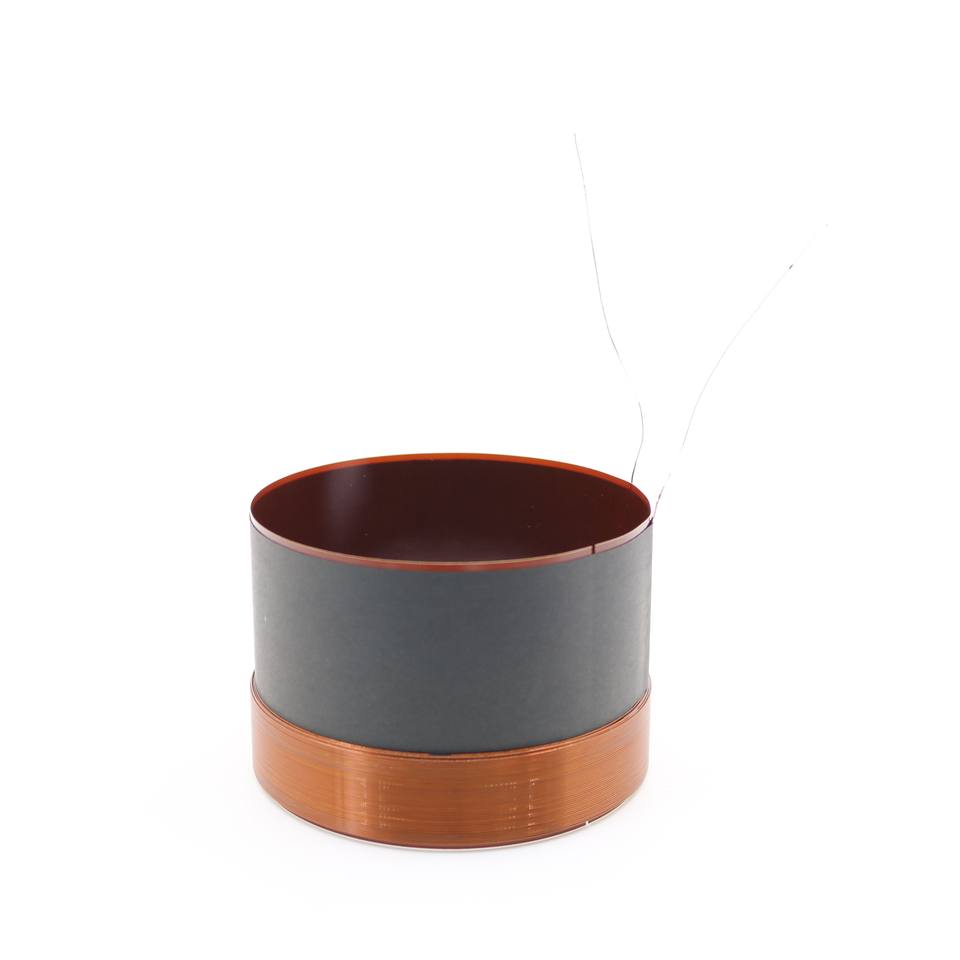
Why Speaker Accessories Matter: Impact on Sound Fidelity and System Longevity
How overlooked accessories cause signal loss, impedance mismatch, and premature component wear
Speaker accessories matter a lot for audio quality, and ignoring them hurts performance in several ways. When cables are too thin, they resist electricity flow which makes high frequencies sound muffled and squishes the dynamics of music. Then there's impedance issues when different parts don't match up right. This creates weird signal reflections that mess up waveforms and makes amplifiers work harder than they should. All that extra effort generates heat that wears down voice coils and damages amplifier circuits faster than normal. And let's not forget about those loose or rusty connectors either. They can actually spark sometimes, slowly eating away at metal contacts until they fail completely. Getting good quality accessories helps keep signals clean and reduces all that heat buildup. Most people find their gear lasts about half again longer when using proper accessories, though results will vary depending on how often the equipment gets used.
Real-world consequences: case studies from commercial AV installations and home theater upgrades
When things go wrong with accessories in commercial audiovisual setups, it usually means big problems for operations. Take one hotel's conference system where audio would drop out around 40% of the time during events. The culprit? Those cheap, flimsy cables that picked up all sorts of electromagnetic noise. After upgrading to these special oxygen-free copper wires with proper braided shielding, the signal quality jumped by about 22 decibels. Another case involved a home theater owner dealing with amplifier failures roughly every eight months. Turns out the issue was those standard banana plugs that kept creating short circuits intermittently. Swapping them out for gold plated connectors that actually lock in place stopped the overheating issues and made the whole system run smoothly again. Looking at these real world situations shows why spending money on good quality accessories pays off in the long run. According to research from Ponemon Institute back in 2023, businesses typically save around seven hundred forty thousand dollars each year when they avoid having to replace equipment, call in technicians, and deal with canceled reservations because their systems broke down.
Core Categories of Speaker Accessories: Cables, Mounts, and Connectors
Understanding speaker accessories is essential for optimizing audio performance. Three core categories form the foundation of any robust setup.
Speaker cables and interconnects: gauge, shielding, and length guidelines for clean signal transmission
The type of cable used has a major impact on how well signals travel from their source all the way to the amplifier. When dealing with longer distances over 25 feet, going with 12 to 14 AWG oxygen free copper (OFC) cables makes sense because they fight off resistance better and maintain those quick transients we want in audio reproduction. Shielding becomes really important when running cables close to power supplies or digital equipment. Braided shields work great for this purpose, helping block out unwanted electromagnetic interference that can ruin sound quality. Shorter cables are always preferable if possible, especially with unbalanced connections since longer ones tend to lose high frequencies due to capacitance issues. Make sure connections are solid by using proper binding posts or banana plugs rather than just twisting wires together. These poor connections create noise problems and mess with impedance levels over time. Stay away from copper clad aluminum options altogether. They don't conduct electricity as well as pure copper and are far more likely to fail after some years of use.
Mounting solutions: wall brackets, ceiling suspensions, and pole mounts for stability and acoustic alignment
Speaker mounting hardware isn't just about keeping things attached to walls or ceilings. These installations actually play a big role in how sound gets delivered throughout a space. Take wall brackets for instance. Those with around 15 degrees of tilt adjustment let installers fine tune where the tweeters point, making sure everyone sitting in the room hears balanced audio. When installing ceiling mounts, proper weight distribution across structural points becomes critical. Otherwise vibrations might travel through the drywall or into wooden beams, messing with the acoustics. Pole mount systems offer another advantage for larger setups. They allow for exact vertical positioning in array configurations, which helps maintain clarity when multiple drivers are working together. Good practice suggests adding some sort of vibration damping material like rubber pads or neoprene washers between the speaker cabinet and whatever it's mounted on. Without this isolation, loose mounts can cause annoying cabinet buzzes, muddy sound images, and even speed up wear on internal support structures over time.
Choosing the Right Connector Type for Your Speaker Setup
Selecting appropriate connectors is critical for optimizing power transfer and preventing signal degradation. Mismatched terminations cause impedance discontinuities that distort frequency response and strain amplifiersâimproper connector use accounts for 17% of premature speaker failures in residential systems (AVIXA 2022 Failure Mode Analysis).
Banana plugs, binding posts, SpeakON, and XLR: matching connector type to power handling and use case
For those setting up mid power home theaters under 500 watts RMS, banana plugs are great because they don't require tools to connect. Binding posts on the other hand give more options when dealing with spade lugs or just plain wires, which makes them popular among audiophiles working with systems over 1000 watts RMS. When it comes to live sound professionals, locking SpeakON connectors can carry around 40 amps continuously without coming loose accidentally. That's why most touring bands rely on these connectors for their reliability and safety during performances. XLR cables have this balanced design that works really well in studios for monitoring and recording equipment. They're especially good at cutting down noise interference when running long distances between gear, something that just cannot be compromised in serious recording environments.
| Connector Type | Ideal Power Range | Best Use Case | Key Advantage |
|---|---|---|---|
| Banana Plugs | < 500W RMS | Home theater swaps | Tool-free installation |
| Binding Posts | < 1000W RMS | Hi-fi speaker terminals | Accepts bare wire/spades |
| SpeakON | ⤠40A continuous | Live sound reinforcement | Locking, high-current |
| XLR | Low-voltage | Studio monitors/recording | Noise-cancelling circuitry |
When people try to cut corners by using too small connectors in high power situations, they're actually creating problems down the road. These undersized connections can boost contact resistance anywhere from 25% to 35%, which means hot spots develop at the connection points. Eventually this heat buildup will fry the voice coils in speakers or audio equipment. Proper connector selection goes way beyond just making sure things physically fit together. The specs need to align with what the amplifier is actually putting out. Don't forget about where these connectors will live either. For installations near saltwater or in damp environments, corrosion resistance becomes really important. And if it's something that gets moved around a lot like stage gear, then good strain relief features make all the difference in keeping those connections secure over time.
Building a Future-Proof Speaker Accessory Kit: Scalability and Compatibility Tips
When thinking about speaker accessories, going future proof makes sense for several reasons. It keeps things working well over time, makes upgrading easier down the road, and saves money in the long run by protecting what's already been invested. Look for components that can be swapped out or upgraded later on. Detachable OFC cables with extra shielding or mounts that can be adjusted come to mind. These kinds of parts tend to last longer when tech changes. Take connectors for instance. Getting ones that handle more bandwidth than needed right now actually helps when new high resolution audio formats start showing up. Shielded banana plugs or SpeakON connections work great for this purpose since they won't create those annoying signal problems as systems evolve.
Follow these scalability principles:
- Standardize connections: Use universally compatible interfaces like XLR for balanced audio or HDMI eARC-capable accessories to ensure seamless integration with next-generation sources and processors.
- Over-specify cables: Choose 12â14 AWG oxygen-free copper cables with both foil and braid shieldingârated for at least 150% of your systemâs peak current demandâto support future power increases or expanded channel counts.
- Plan expansion zones: Install accessible conduit paths and pre-wire junction boxes during initial builds to simplify later additions like outdoor speakers, distributed subwoofers, or wireless transmitters.
Compatibility hinges on forward-thinking decisions:
| Consideration | Future-Proof Action | Benefit |
|---|---|---|
| Mounting Hardware | Choose brackets with ±15° tilt adjustability | Accommodates speaker size upgrades |
| Signal Protocols | Prioritize accessories supporting HDMI eARC | Enables uncompressed audio streaming |
| Control Systems | Verify firmware-updatable DSP compatibility | Adapts to new room correction tech |
A 2024 AV integration study found systems built with scalable accessories reduced five-year upgrade costs by 37%. Documenting your accessory specificationsâincluding gauge, material, termination type, and shieldingâstreamlines troubleshooting and ensures consistent performance when integrating multi-room audio, wireless streaming, or AI-driven acoustic calibration tools.
FAQ
Why are speaker accessories important for audio quality?
Speaker accessories play a crucial role in maintaining signal integrity and preventing issues like signal loss, impedance mismatch, and premature component wear, ultimately enhancing sound quality and system longevity.
What are the consequences of using poor quality speaker accessories?
Poor quality accessories can lead to big operational problems, including audio dropouts, amplifier failures, and increased maintenance costs, as seen in commercial AV installations and home theater upgrades.
How can I ensure my speaker setup is future-proof?
To future-proof your setup, consider using scalable and compatible accessories, such as connectors supporting higher bandwidth, standardized interfaces like XLR, and over-specified cables to accommodate future power demands.