
 EN
EN



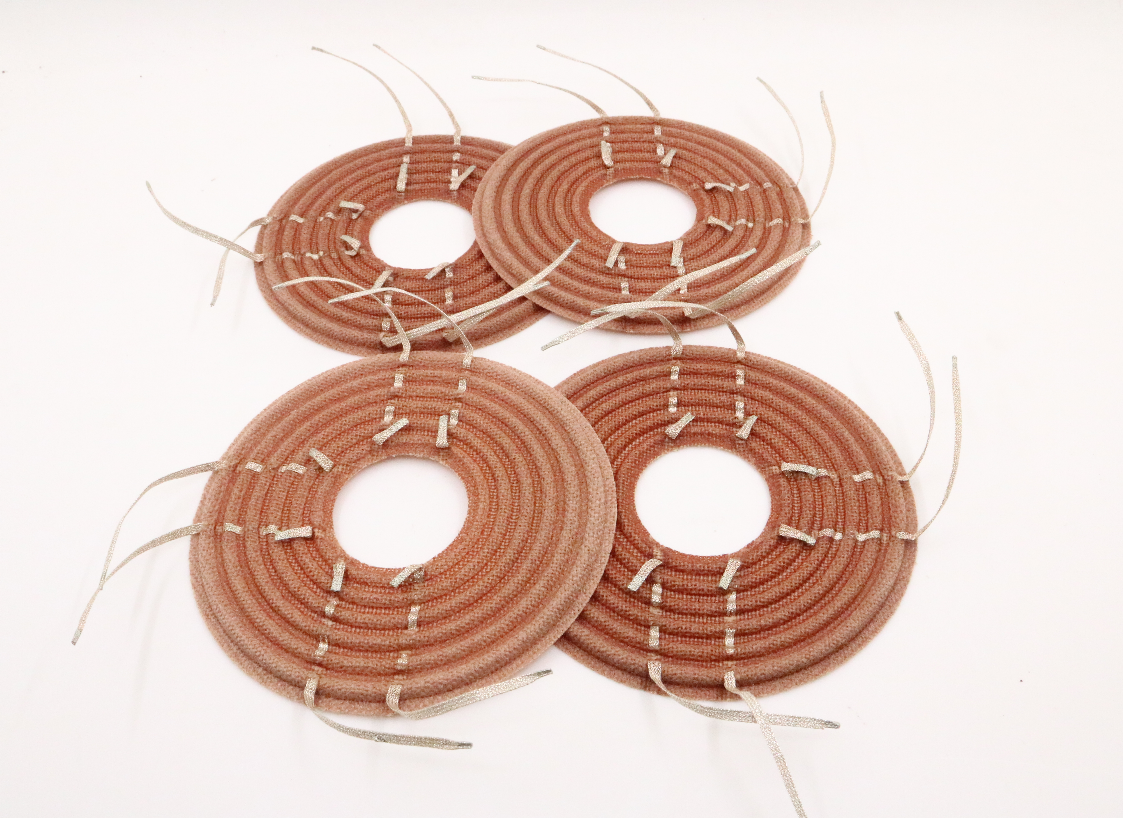
Diagnose the Lead Wire Failure Accurately
Visual Inspection for Common Lead Wire Damage: Fraying, Crimping, and Insulation Breakdown
Start by taking a good look at the entire lead wire assembly. Check for frayed conductors especially around areas that see the most stress. Also watch out for problems with how terminals are crimped together, since these can be trouble spots. Insulation breakdown is another major issue — studies show that more than two thirds of all industrial speaker failures come down to damaged insulation letting contaminants get to exposed wires. When inspecting polymer sheathing, note if it looks discolored or feels brittle to the touch, as this usually means heat damage has occurred over time. Don't forget to examine bend radii closely because repeated flexing there often creates tiny fractures in copper strands. Make sure to record any sections that appear crushed from being clamped incorrectly, as these spots typically become resistance hotspots later on. Doing this visual check first gives technicians a clear idea of what needs fixing without having to take anything apart yet.
Multimeter Continuity Testing to Confirm Open Circuit in the Lead Wire
Once done with the visual check, it's time to test the electrical connections with a multimeter in continuity mode. Touch the probes at each end of the wire we're checking out. If everything is good, the meter should show almost nothing on the resistance scale, usually below 0.5 ohms. But when there's no connection at all, the meter just displays OL which means open line. Sometimes problems only show up when the wire moves around, so give it a gentle wiggle while testing to spot those tricky breakages inside. Always cross reference our numbers with what the manufacturer says they should be looking for something like 0.1 to 0.3 ohms per meter for regular copper wiring. A word of warning here folks: dirty contacts can really mess with our readings. Those oxidation spots on terminals are notorious troublemakers. Take a bit of sandpaper or a scraper to clean those contact points first. This approach catches most issues that would otherwise slip past even the sharpest eye during a visual inspection, catching about 9 out of 10 hidden problems nobody else would see.
Prepare the Lead Wire and Work Environment for Reliable Repair
Essential Tools and Materials: Temperature-Controlled Soldering Iron, Rosin-Core Solder, and Heat-Shrink Tubing
Getting a good solder job starts with a temperature controlled soldering iron, which stops things from getting too hot and melting those voice coil adhesives or breaking down nearby plastics. Most folks swear by rosin core solder, specifically the 60/40 tin lead mix, because it creates solid connections without leaving behind that nasty corrosive stuff. From what I've seen in workshops across town, this type cuts down on cold joints around 40% better than those acid core options. When it comes to insulation, nothing beats adhesive lined heat shrink tubing over regular electrical tape. Look for something with about a 3 to 1 shrink ratio if dealing with vibrations is part of the equation. And remember to set up shop somewhere free of static electricity, preferably on proper ESD mats rated for components. This helps avoid those tiny cracks that form in solder joints when exposed to electrostatic discharge.
Proper Wire Stripping and Tinning Techniques to Ensure Strong, Low-Resistance Lead Wire Joints
Getting the stripping just right helps keep those copper strands intact and functional. Automatic wire strippers work best when they have those specific gauge notches cut into them. When conductors get nicked during stripping, resistance goes up around 15%, according to IEEE standards. Before making connections, tinning both ends of the lead wires isn't optional really it's pretty much required. Apply enough solder so all the individual strands get properly coated this prevents those pesky dry joints later on when everything gets connected for good. Aim for about 3 to 5 millimeters of stripped conductor length to let the solder flow properly. Industry testing shows pre-tinned wires fail about half as often in pull tests compared to regular ones. And don't forget about where the strain relief sits relative to the terminal anchor points getting this alignment right ensures mechanical stress stays away from the actual solder joint itself.
Perform the Lead Wire Repair with Signal Integrity and Durability
Precision Soldering Steps: Avoiding Cold Joints, Shorts, and Thermal Stress on Voice Coil Leads
Use a temperature-controlled soldering iron (600°F–700°F) and rosin-core solder. Key steps include:
- Pre-tinning wires to ensure oxide-free surfaces before joining;
- Applying heat to voice coil leads for ≈3 seconds to avoid polymer degradation;
- Creating concave, shiny solder joints — dull or lumpy “cold joints” increase resistance and compromise reliability;
- Insulating adjacent conductors with high-temperature tape to prevent shorts.
Industry data indicates 92% of premature audio failures stem from poor solder joints — making technique as critical as material selection.
Insulation, Strain Relief, and Mechanical Securing to Prevent Future Lead Wire Failure
Once the soldering is done, put some adhesive lined heat shrink tubing over the spot where the repair was made before applying heat. There are actually three main reasons why this works so well. First off, it gives us insulation that stands up better against moisture than what came on the wire originally. Second, when the tubing bonds with the cable jacket, it helps take care of any pulling forces along the length of the cable. And third, because it mechanically anchors into place, it adds protection against vibrations that might otherwise cause problems. For securing those lead wires, go with silicone rubber clamps instead of regular zip ties or hard plastic fasteners. Also important is making sure bends in the wiring aren't too tight. A good rule of thumb is to keep at least five times the wire's diameter as the minimum bend radius. This simple precaution goes a long way toward preventing the wires from wearing out over time.
Verify and Validate the Repaired Lead Wire Performance
Proper testing is essential to maintain good signal quality and make sure repairs last over time. Start by checking electrical connections. The resistance should stay under 0.5 ohms throughout the fixed area. If it goes higher, that means there's probably a bad connection somewhere that needs fixing again. For signal checks, run some test tones covering all frequencies from 20 Hz up to 20 kHz. Watch out for any distortion, gaps in the sound, or when one channel sounds weaker than the other. Mechanical tests come next. Pull on the cable with about five pounds of force for half a minute and check if the resistance stays steady. Take a closer look at those insulation covers using a 10x loupe to spot tiny cracks. Also make sure the strain relief works properly so nothing bends at the solder joints. Following these steps helps avoid those annoying intermittent problems that ruin sound quality in studios and live venues where perfect performance matters most.
Frequently Asked Questions
Why is visual inspection important for diagnosing lead wire failure?
Visual inspection helps identify common lead wire damages such as fraying, crimping, and insulation breakdown without taking apart components, allowing technicians to spot issues early on.
What should be checked during the visual inspection of lead wires?
Check for frayed conductors, terminal crimping issues, insulation breakdown, discolored or brittle polymer sheathing, and crushed sections caused by incorrect clamping.
How can I ensure my multimeter readings are accurate?
Clean the contact points with sandpaper or a scraper to remove oxidation, which can interfere with readings. Also, refer to manufacturer recommendations for expected resistance values.
What are the essential materials for lead wire repair?
A temperature-controlled soldering iron, rosin-core solder (60/40 tin lead), adhesive-lined heat shrink tubing, and proper ESD mats are essential tools and materials for reliable repair.
Why is it necessary to use adhesive lined heat shrink tubing over electrical tape?
Adhesive lined heat shrink tubing provides better moisture resistance, helps manage pulling forces, and protects against vibrations compared to regular electrical tape.
Why is it important to test repaired lead wires?
Testing ensures that repaired lead wires maintain good signal quality and last over time, avoiding issues like distortion, sound gaps, and intermittent problems that affect performance.
Table of Contents
- Diagnose the Lead Wire Failure Accurately
- Prepare the Lead Wire and Work Environment for Reliable Repair
- Perform the Lead Wire Repair with Signal Integrity and Durability
- Verify and Validate the Repaired Lead Wire Performance
-
Frequently Asked Questions
- Why is visual inspection important for diagnosing lead wire failure?
- What should be checked during the visual inspection of lead wires?
- How can I ensure my multimeter readings are accurate?
- What are the essential materials for lead wire repair?
- Why is it necessary to use adhesive lined heat shrink tubing over electrical tape?
- Why is it important to test repaired lead wires?