
 EN
EN



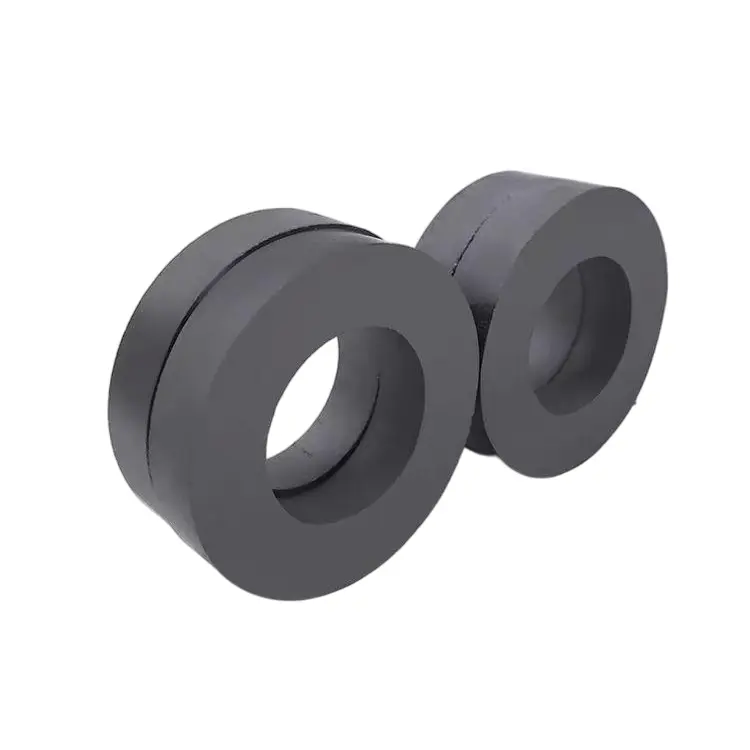
The Physics Link: How Magnet Strength Drives Speaker Sensitivity
Magnetic Flux Density (B) and Its Direct Role in dB/W/m Output
The strength of magnetic flux (B) plays a major role in determining how sensitive a speaker is, which we measure in those decibel numbers per watt per meter (dB/W/m). Basically, when electricity moves through the voice coil, it meets up with the existing magnetic field, creating what's called a Lorentz force. And guess what? That force grows right along with B. Take a look at typical magnets used in speakers: A strong 1.5 Tesla neodymium magnet gives about 40 percent more pushing power compared to a weaker 0.4 Tesla ferrite magnet when the same amount of current runs through them. This makes a big difference in sound output. Speakers with higher B values can reach those impressive 95+ dB/W/m sensitivity ratings while needing much less power from amplifiers. Speaking of physics, Faraday's Law tells us that the voltage generated inside the speaker also relies on both B and how fast the voice coil moves. So getting the right balance of magnetic flux isn't just important, it's absolutely critical if manufacturers want good sound quality across all frequencies and sharp response times for music and speech alike.
Why Neodymium Magnets Deliver 90–105 dB/W/m vs. Ferrite’s 85–92 dB/W/m
When it comes to magnetic materials, neodymium (NdFeB) just beats ferrite hands down because of its much stronger magnetic field. The residual induction (Br) can hit around 1.45 Tesla, which is almost three times what ferrite manages at 0.4 to 0.5 T. And let's not forget about the maximum energy product ((BH)max), which goes well beyond 50 MGOe for NdFeB. These characteristics mean smaller NdFeB drivers can turn electricity into sound with incredible efficiency rates between 92% and 98%, compared to only 85% to 88% from ferrite magnets. We actually see this difference in practice too. High end studio monitors equipped with N52 grade sintered NdFeB deliver sensitivity levels ranging from 98 to 103 dB/W/m while needing roughly 30% less power from amplifiers than similar models with ferrite at 1 kHz frequencies. What does all this mean for audio quality? Simply put, better performance without bigger boxes or extra heat generation. Listeners experience tighter bass response, quicker transient reactions, and significantly reduced distortion even when turning down the volume.
Key Comparison
| Magnet Type | Residual Induction (T) | Sensitivity (dB/W/m) | Power Efficiency |
|---|---|---|---|
| Neodymium | 1.2–1.45 | 90–105 | 92–98% |
| Ferrite | 0.4–0.5 | 85–92 | 85–88% |
Material Science of High-Performance Speaker Magnets
NdFeB (N52/N55), SmCo, and Ferrite Compared: Energy Product (BH)max and Thermal Stability
Choosing the right speaker magnet involves weighing magnetic power against what actually happens when these things get hot or run for extended periods. Sintered NdFeB magnets such as the N52 and N55 varieties are top performers here, delivering maximum BH values ranging from 35 to 52 MGOe. These allow manufacturers to pack serious magnetic punch into small spaces. Then there's Samarium Cobalt (SmCo), which isn't quite as strong on paper with BH max values around 16 to 32 MGOe, but makes up for it in heat resistance. SmCo can handle temperatures all the way up to 300 degrees Celsius while maintaining stable magnetic properties, losing only about 0.03% per degree temperature change. Compare that to NdFeB magnets that start degrading at around 80 degrees Celsius with losses of approximately 0.12% per degree (Li et al., 2023). Ferrite magnets fall behind badly, with BH max values barely reaching 3.5 to 4.5 MGOe and significant performance drops once they exceed 150 degrees Celsius. This basically rules them out for applications where heat is a factor, like car audio systems or professional stage equipment where speakers need to work hard for long durations.
Sintered NdFeB Dominance Explained: 1.42 T Residual Induction vs. Ferrite’s 0.4–0.5 T
The reason sintered NdFeB is so popular in high sensitivity speaker designs comes down to its incredible residual induction. We're talking about values as high as 1.42 Tesla, which beats ferrite magnets by over three times. This strong Br creates better magnetic fields throughout those tiny gaps between components. The result? A stronger push on the voice coil that translates directly into impressive sensitivity ratings around 98 to 103 dB/W/m, all packed into drivers small enough for compact studio monitor setups. When working with ferrite instead, designers have to make everything bigger since the Br isn't as good. That means larger magnets and pole pieces, which adds weight, drives up costs, and takes up more space inside speaker cabinets. What makes sintered NdFeB really special though is how the manufacturing process works. During sintering, the crystal grains line up just right to cut down on energy loss through hysteresis. Plus, these materials can handle pretty hot temperatures before losing their magnetic properties, staying stable at around 310 degrees Celsius even when pushed hard during long periods of high power playback.
From Magnet to Motion: The Role of the Magnet in Audio Transduction Efficiency
Voice Coil Force Factor (Bl) — Where Magnet Strength Meets Mechanical Precision
The voice coil force factor, or Bl, basically tells us how good a speaker is at turning magnetic energy into actual movement. Think of it as multiplying two things together: the strength of the magnetic field (B) and how long the wire inside the magnet actually works (l). When it comes to performance, this Bl number matters a lot because speakers with higher Bl values can move their cones faster for the same amount of electricity coming in. Most neodymium drivers hit around 15 to 25 Tesla meters while older ferrite models usually sit between 6 and 12. The math behind this is pretty straightforward - force equals Bl times current. So when Bl goes up, we need less power from our amp to get the same volume, which also means cleaner sound since there's less distortion happening during big movements. Manufacturers spend extra time making sure those tiny parts are machined just right so the magnetic field stays even throughout the whole range of motion. This attention to detail keeps the speaker sounding accurate even when pushed hard.
Optimizing Magnet Integration: Geometry, Pole Design, and Distortion Control
Shorting Rings and Underhung Coils: Mitigating Inductance Rise and Thermal Compression in High-B Systems
When working with high magnetic flux density, engineers face certain trade offs mainly related to increased voice coil inductance and issues with thermal compression when components are under continuous load for long periods. Shorting rings which are usually made from copper or aluminum and wrapped around the pole piece help combat these problems by creating opposing eddy currents. These currents essentially balance out the magnetic field fluctuations that happen especially during those rapid high frequency movements. The result is better preservation of transient response characteristics and clearer high end frequencies overall. Another important design consideration is the underhung coil approach where the voice coil itself is actually shorter than the magnetic gap height. This ensures that no matter how much the speaker moves back and forth, the whole coil stays within the most consistent part of the magnetic field. This setup cuts down on inductive nonlinearities significantly and can reduce power compression losses by somewhere between 20 to 30 percent when things get hot inside the driver. For high B field systems, this means they maintain their dynamic range capabilities while keeping distortion levels low across the spectrum without compromising on sensitivity measurements either.
FAQ
What is magnetic flux density (B) in speakers?
Magnetic flux density (B) in speakers refers to the magnetic field strength produced by the magnet within the speaker. It is crucial for determining the speaker's sensitivity and overall performance.
Why are neodymium magnets preferred over ferrite in speakers?
Neodymium magnets are preferred due to their stronger magnetic field, higher residual induction, and exceptional power efficiency. They enable smaller speakers to achieve higher sensitivity and better audio performance.
What is the role of the voice coil force factor (Bl)?
The voice coil force factor (Bl) is a measurement that indicates the speaker's ability to convert magnetic energy into motion. A higher Bl value leads to more efficient speaker movement and sound generation.
How do shorting rings and underhung coils help in speaker design?
Shorting rings provide eddy current balancing to reduce distortion caused by fluctuating magnetic fields. Underhung coils keep the coil immersed in the optimal part of the magnetic field, reducing nonlinearities and enhancing efficiency.