
 EN
EN



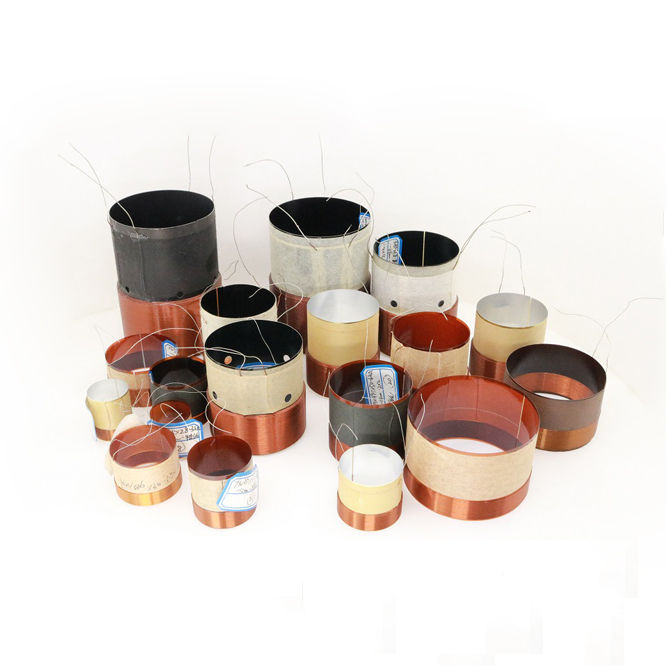
How a Voice Coil Works and Why It's Critical to Speaker Performance
How the Voice Coil Converts Electrical Signals Into Sound
At the heart of every speaker lies the voice coil, which takes those electrical signals coming from an amplifier and turns them into actual movement that makes sound happen. As electricity moves through those copper wires, it creates a changing magnetic field that works against the static field from a permanent magnet. What happens next? The voice coil starts moving fast inside that magnetic space. And since it's connected to either a diaphragm or cone, all that back and forth motion pushes air around, making those sound waves we hear. Some tests show that today's speakers can be over 90% efficient thanks to how well they handle this whole electromagnetic dance. That's why getting the voice coil right matters so much when it comes to reproducing different frequencies accurately across the board.
The Importance of Voice Coil Alignment and Suspension
Accurate voice coil alignment within the magnetic gap is essential for distortion-free performance. Even a misalignment of just 0.1 mm can cause audible rubbing and reduce power handling. Two key suspension components maintain stability and controlled movement:
- Spider: Centers the voice coil while permitting linear vertical travel
- Surround: Links the cone to the speaker frame, managing excursion limits
As noted by HowStuffWorks, high-quality suspension systems endure over 20 million flex cycles, ensuring long-term reliability. This resilience prevents the coil from contacting the magnet structure—a frequent cause of failure in poorly engineered speakers.
Common Audible Signs of a Damaged Voice Coil
Distorted or Muffled Audio Output as a Symptom of Speaker Damage
When everything works right, a good voice coil should move back and forth evenly so it can accurately recreate sound waves. But when something goes wrong like the coil gets warped or wound improperly, that smooth movement gets messed up. The result? High notes start sounding fuzzy and the middle range gets all confused. Heat problems are actually one of the biggest issues here. Too much heat weakens those glue connections holding the coil together, sometimes by as much as 40% based on what engineers have observed in their labs. Looking at how speakers actually work, even small changes in shape affect the way magnetic fields interact inside the speaker. That's why keeping coils intact matters so much for getting clear, distortion-free sound out of any audio system.
Scraping or Rubbing Sounds From Damaged Voice Coil During Playback
Metallic scraping noises during low-frequency playback (20–100 Hz) often indicate a misaligned voice coil rubbing against the pole piece. This typically results from worn suspension parts or physical impact. Repair data shows that 78% of such cases reveal visible warping of the coil former upon inspection, confirming mechanical deformation.
Intermittent Sound Caused by Broken or Loose Voice Coil Wires
When audio cuts out sporadically during loud sections of music or movies, it often points to damaged wiring in the voice coil. Most of these breaks happen close to where the wires connect because the speaker moves too far back and forth repeatedly. Standard woofers typically handle movement within about plus or minus 3 millimeters before things start breaking down. Technicians usually find these issues using a multimeter continuity test. Looking at repair shops across the country, around one third of all fixable voice coil problems turn out to be these kinds of wiring breaks after testing.
Thermal and Mechanical Causes of Voice Coil Failure
Voice Coil Overheating and Deformation from Prolonged High-Power Input
When too much power gets fed into voice coils, they often exceed what they can handle thermally. Most woofers turn around 95 to maybe even 97 out of every 100 watts into heat instead of actual sound according to MICO Speakers data from last year. If someone cranks up the volume for long periods, temperatures inside those coils can shoot past 200 degrees Celsius. At that point, the coil starts warping and no longer sits properly aligned within its magnetic gap. What happens next? Well, there's friction, more distortion in the audio output, and components start wearing down faster than normal. Studies show when coils run hotter than 150 degrees Celsius for over half an hour straight, chances are pretty good we're looking at some serious permanent damage here.
Voice Coil Shorting or Melting Due to Excessive Heat Buildup
At extreme temperatures, the enamel insulation on copper or aluminum windings breaks down, resulting in short circuits between turns. Poor ventilation or substandard adhesives worsen this issue. To combat thermal failure, manufacturers often use polyimide film (Kapton) formers, which remain stable at temperatures exceeding 300°C.
Amplifier Clipping Causing Voice Coil Failure Through Signal Distortion
When an amp gets pushed beyond what it can handle voltage-wise, we see something called clipping happen. What this does is basically flatten out those nice waveforms at their peaks. The result? Distorted sound waves packed with high frequency energy hit the voice coil hard. These wild signals make the coil move all over the place instead of smoothly, creating about triple the heat compared to regular signals. All that extra heat starts breaking down the glue holding things together inside the speaker. Mechanical parts get stressed too, which means components start failing faster than they should under normal conditions.
Burnt Varnish Smell Indicating Voice Coil Damage: A Clear Warning Sign
A sharp, acrid odor resembling burnt plastic signals overheated insulation. This happens when varnishes on wire coatings or bonding agents begin to carbonize. Immediate power reduction is critical to prevent complete coil meltdown.
Impact of Speaker Overexcursion on Voice Coil Integrity
Overexcursion—when low frequencies push the coil beyond its designed travel range—can cause the coil's edge to strike the backplate. This may crumple windings or sever lead wires. High-excursion drivers mitigate this risk with reinforced spiders and vented pole pieces to improve airflow and structural control.
Difference Between Thermal and Mechanical Voice Coil Failure Modes
Thermal failures, accounting for 55% of cases, develop gradually and show signs like discolored components or softened adhesives. Mechanical failures (45%) result from sudden impacts or fatigue, manifesting as cracked formers, torn lead wires, or collapsed coil structures.
How to Diagnose a Damaged Voice Coil: Tools and Techniques
Step-by-step guide: How do you check if the speaker is blown?
- Disconnect the speaker and set a multimeter to measure DC resistance. A reading deviating more than 20% from the rated impedance (e.g., 4Ω instead of 8Ω) suggests voice coil damage.
- Perform a rub test: Gently press the cone center. Any grinding sensation or resistance indicates misalignment due to thermal warping or mechanical trauma.
- Test audio output at low volume (10–20%). Listen for crackling, dropouts, or uneven frequency response—common indicators of partial coil failure.
Using multimeters and visual inspection to detect voice coil breaks
A functional voice coil usually measures between 0.5Ω and 8Ω, depending on design. Infinite resistance indicates an open circuit (broken coil), while unusually low readings point to internal shorts. Visually inspect for:
- Discoloration or melting of the bobbin
- Burnt varnish smell
- Detachment between the coil, spider, or surround
Real-world example: Recovering audio quality after identifying voice coil damage
In a 2022 case study, replacing a partially melted voice coil in a studio monitor resulted in a 15 dB improvement in midrange clarity. Technicians first used thermal imaging to detect abnormal heat (135°F vs. normal 90°F), confirming localized overheating before disassembly and repair.
Pro Tip: Always compare test results with the manufacturer's specifications for impedance and power handling to ensure accurate diagnosis.
FAQ Section
What does a voice coil do in a speaker?
A voice coil converts electrical signals into sound by creating mechanical movement that produces sound waves, utilizing electromagnetic fields.
What are common signs of voice coil damage?
Common signs include distorted sound, scraping noises during playback, intermittent audio, and a burnt varnish smell.
How can voice coil overheating occur?
Voice coil overheating occurs due to prolonged high-power input, which creates excessive heat not converted into sound, leading to deformation and failure.
How do you diagnose a damaged voice coil?
Diagnosis involves using a multimeter to check resistance, performing a rub test, testing audio output, and visually inspecting for physical damage.
Table of Contents
- How a Voice Coil Works and Why It's Critical to Speaker Performance
- Common Audible Signs of a Damaged Voice Coil
-
Thermal and Mechanical Causes of Voice Coil Failure
- Voice Coil Overheating and Deformation from Prolonged High-Power Input
- Voice Coil Shorting or Melting Due to Excessive Heat Buildup
- Amplifier Clipping Causing Voice Coil Failure Through Signal Distortion
- Burnt Varnish Smell Indicating Voice Coil Damage: A Clear Warning Sign
- Impact of Speaker Overexcursion on Voice Coil Integrity
- Difference Between Thermal and Mechanical Voice Coil Failure Modes
- How to Diagnose a Damaged Voice Coil: Tools and Techniques
- FAQ Section